- Ultra-processed foods top the list — emulsifiers like polysorbate-80 physically disrupt the gut's protective mucus layer.
- Sucralose and saccharin alter gut bacteria balance in research; stevia and erythritol are gentler choices.
- Regular alcohol — more than 14 units a week — disrupts the gut barrier and reduces beneficial bacteria within just a few weeks.
- Late-night eating disrupts the gut's circadian rhythm. A 12-hour overnight fast is one of the simplest, free gut-health interventions.
- The 80/20 rule works better than rigid restriction. Nothing needs to be cut entirely — these foods just shouldn't dominate the diet.
You can take the best fibre supplement on the market, eat your fermented foods religiously, and still feel bloated and sluggish — if the rest of your diet is quietly working against you. Some everyday foods do real damage to gut bacteria balance, gut lining integrity, and digestion. The good news: you don’t need to cut anything entirely. You just need to know what’s worth limiting and what to swap it for.
1. Ultra-Processed Foods
The biggest culprit, and the hardest to spot, because ultra-processed foods aren’t always obvious. Long ingredient lists, words you don’t recognise, emulsifiers, stabilisers and flavour enhancers — these are the hallmark.
Research published in Nature linked high intake of ultra-processed foods to reduced microbiome diversity and increased gut inflammation. The mechanism: emulsifiers like polysorbate-80 and carboxymethylcellulose physically disrupt the protective mucus layer of the gut, making it easier for harmful bacteria to interact with the gut wall.
What to limit: Packaged ready meals, supermarket bread with 15+ ingredients, mass-produced biscuits and crisps, processed meats with added emulsifiers.
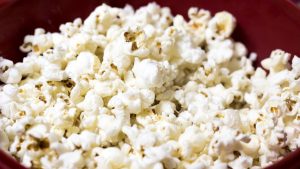
Swap for: Real food versions — slow-fermented sourdough, home-prepped meals, whole-ingredient snacks like nuts, fruit, roasted chickpeas, or air-popped popcorn.
2. Artificial Sweeteners (Some, Not All)
The sweetener question is more nuanced than headlines suggest. Some artificial sweeteners — particularly sucralose and saccharin — have been shown in research to alter gut bacteria balance, sometimes negatively affecting glucose tolerance. Aspartame has weaker evidence but is also worth limiting.
Natural sweeteners like stevia and erythritol appear to have neutral-to-mildly-beneficial effects on the gut at typical intake levels.
What to limit: Diet drinks with sucralose or aspartame, sugar-free yoghurts and desserts heavy with artificial sweeteners, “low-sugar” snack bars sweetened with maltitol (a common cause of bloating).
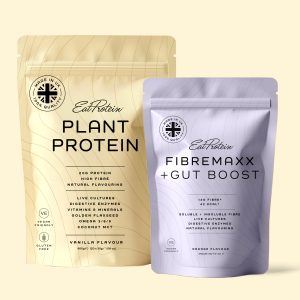
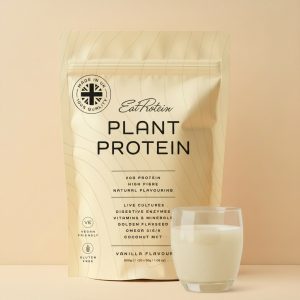
Swap for: Stevia-sweetened drinks, naturally sweetened wholefoods, supplements that use stevia rather than artificial sweeteners (our vegan protein and fibre range are both stevia-sweetened).
3. Excess Alcohol
This isn’t a “never drink” message — moderate alcohol intake (a glass of wine with dinner a couple of times a week) doesn’t appear to do meaningful damage. But regular heavier intake — more than 14 units a week for women, or several drinks in a single session — directly disrupts the gut barrier and reduces beneficial bacteria.
The mechanism: alcohol increases intestinal permeability (“leaky gut”), kills beneficial bacteria, and shifts the microbiome toward inflammation-promoting species. Just a few weeks of regular drinking shifts the gut markedly.
What to limit: Daily drinking, binge sessions, and especially anything paired with poor sleep or ultra-processed food (the combination compounds gut stress).
Swap for: Two alcohol-free days a week minimum, alternating drinks with water, choosing lower-alcohol options when you do drink.

4. Refined Sugar in Excess
Sugar isn’t the villain it’s sometimes made out to be — but consistent high intake feeds the less helpful members of the gut microbiome (yeasts, certain pathogenic bacteria) while starving the beneficial ones (which prefer fibre).
The issue isn’t an occasional dessert. It’s the pattern of frequent sugar exposure across the day — sugary cereal in the morning, sweetened coffee at 11am, biscuits with afternoon tea, dessert after dinner. Each spike feeds a microbiome shift in the wrong direction.
What to limit: Free sugars in drinks (the easiest single source to cut), sugary cereals, frequent dessert habits, “healthy” snacks with hidden added sugar.
Swap for: Whole fruit, dark chocolate (70%+), Greek yoghurt with berries, or a half-scoop plant protein shake for the sweet-snack moment.
5. Fried and Deep-Fried Foods
Occasional fish and chips won’t ruin your gut. Regular fried food intake will — primarily because high heat creates compounds that promote inflammation, and most fried food is cooked in oils prone to oxidation.
Frequent fried food has been linked in research to reduced microbiome diversity and increased markers of inflammation. The greasy, sluggish feeling after a fried meal isn’t just in your head — it’s your digestive system working harder than it should.
What to limit: Daily takeaways, deep-fried lunches, regular use of processed seed oils for home cooking.
Swap for: Olive oil, avocado oil, air-fryer or oven-baked versions of fried favourites, grilled or baked fish.
6. Processed Red and Cured Meats
Whole, unprocessed red meat eaten in moderation isn’t strongly linked to gut harm. But processed red meats — bacon, salami, ham, sausages — are a different story. Nitrates and nitrites used as preservatives can be metabolised by gut bacteria into compounds linked to inflammation and, at higher intakes, cancer risk.
The 2015 WHO classification put processed meats in Group 1 (carcinogenic to humans) — primarily based on colorectal cancer evidence, with the gut microbiome as one of the proposed mechanisms.
What to limit: Daily bacon, frequent sandwich-meat lunches, processed sausages.
Swap for: Fresh chicken, fish, eggs, tofu, beans, and lentils as primary protein sources. Save processed meats for occasional treats.
7. Late-Night Eating
This one surprises people — it’s not what you’re eating, but when. Your gut bacteria have a circadian rhythm, just like the rest of your body. Eating late into the night disrupts that rhythm, increases gut inflammation, and contributes to poorer sleep, which in turn further disrupts the microbiome.
A 12-hour overnight fast (e.g. last food by 8pm, breakfast at 8am) lets your gut clear and repair. It’s one of the most underrated gut-health interventions because it costs nothing and asks no major sacrifice.
What to limit: Late-evening snacking, post-dinner desserts past 9pm, midnight kitchen raids.
Swap for: A glass of herbal tea, a brush of teeth signaling “kitchen closed”, and an earlier evening meal where possible.
The Foods That Actively Help (Quick Reference)
For balance — here’s what to lean into, not just away from:
- Prebiotic foods: oats, onions, garlic, leeks, asparagus, bananas (slightly green), chicory, beans, lentils
- Fermented foods: live yoghurt, kefir, kimchi, sauerkraut, miso, kombucha
- Polyphenol-rich foods: berries, dark chocolate, green tea, olive oil, red wine (in moderation)
- Diverse plants: aim for 25–30 different plant foods a week (counting herbs, spices, nuts and seeds)
- Plenty of water: fibre and the microbiome both depend on hydration
For the full picture, see our guide to gut health foods.
The 80/20 Rule for Gut Health
You don’t need to be perfect. Research suggests that around 80% of your intake being whole, minimally processed foods, with the remaining 20% being whatever you genuinely enjoy, is more sustainable — and more effective long-term — than rigid restriction.
The seven foods above don’t need to disappear. They need to stop dominating. A weekly takeaway is fine. A daily one is the problem. A glass of wine with friends is fine. A bottle most nights is the problem.
If you want a structured way to put this into practice, our 4-week gut reset plan walks you through the food, lifestyle and supplement changes that compound to genuinely transform gut health.
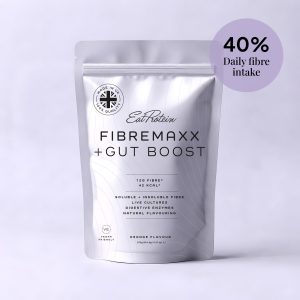
A daily synbiotic like EatProtein FibreMaxx + Gut Boost works as a buffer against the days when food doesn’t go to plan. Chicory root inulin, live Bacillus coagulans cultures, and five digestive enzymes — the things even the cleanest diets sometimes miss.
The Bottom Line
Ultra-processed foods. Artificial sweeteners. Alcohol. Refined sugar. Fried foods. Processed meats. Late-night eating. Most of us do too much of at least one of these — often without realising. None need to be cut entirely. They just need to stop being the foundation of your diet. Trim them back to occasional, and the gut takes care of the rest with surprising speed.
Want to support your gut while you sort the diet? Explore EatProtein FibreMaxx + Gut Boost — a daily synbiotic that buffers against the worst-case days. Or browse our full Fibre range.
References
- Chassaing, B., Koren, O., Goodrich, J.K., et al. (2015). Dietary emulsifiers impact the mouse gut microbiota promoting colitis and metabolic syndrome. Nature, 519(7541):92–96. View source
- Suez, J., Korem, T., Zeevi, D., et al. (2014). Artificial sweeteners induce glucose intolerance by altering the gut microbiota. Nature, 514:181–186. View source
- Bishehsari, F., Magno, E., Swanson, G., et al. (2017). Alcohol and gut-derived inflammation. Alcohol Research, 38(2):163–171. View source
- Sonnenburg, E.D., & Sonnenburg, J.L. (2014). Starving our microbial self: the deleterious consequences of a diet deficient in microbiota-accessible carbohydrates. Cell Metabolism, 20(5):779–786. View source
- International Agency for Research on Cancer (IARC). (2015). Carcinogenicity of consumption of red and processed meat. Lancet Oncology, 16(16):1599–1600. View source
- Voigt, R.M., Forsyth, C.B., Green, S.J., et al. (2016). Circadian rhythm and the gut microbiome. International Review of Neurobiology, 131:193–205. View source