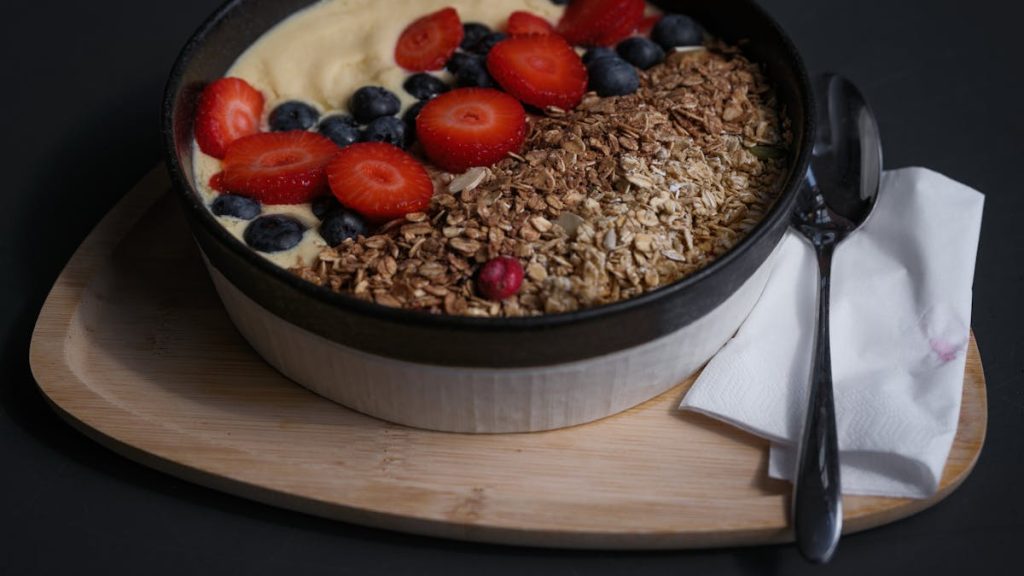
- Gut bacteria respond fast — studies show measurable microbiome shifts within 3–7 days of dietary change. Four weeks is enough to feel a genuine difference.
- Week 1: Feed your existing bacteria with 30g of fibre a day and prebiotic-rich foods like onions, oats, beans and chicory before adding new ones.
- Week 2: Add live, fermented foods daily — yoghurt, kefir, kimchi, sauerkraut. Or use a synbiotic supplement to combine prebiotics and probiotics in one.
- Week 3: Trim the saboteurs — ultra-processed foods, artificial sweeteners, excess alcohol — and aim for a 12-hour overnight fast.
- Week 4: Reinforce digestion with enzymes, hydration, daily movement and protected sleep — the unglamorous foundations that keep results stuck.
If you’ve ever Googled “how to improve gut health,” you’ve probably been told it takes years. Eat 30 different plants a week. Cut everything you enjoy. Drink the green juice. The truth is gentler — and a lot more practical. Research shows the gut microbiome can shift in days when you change what you feed it. Four weeks is enough to feel a genuine difference: less bloating, steadier energy, calmer skin, fewer afternoon crashes. Here’s the plan.
Why 4 Weeks Is the Sweet Spot
Gut bacteria respond faster than most people realise. Studies tracking the microbiome have shown measurable shifts within three to seven days of changing the diet — but a few days of kale doesn’t make a habit. Four weeks gives you long enough for the bacteria to repopulate and for the new routines to feel automatic.
You don’t need a clean slate. You don’t need to give anything up forever. You just need 28 days of consistent, food-first changes — one focus per week, building on the last.

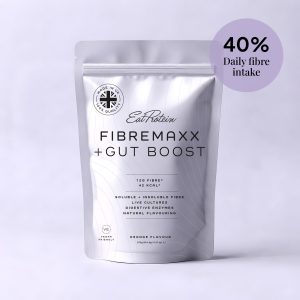
This plan works best alongside a daily synbiotic — a single supplement that combines prebiotic fibre (to feed your bacteria), live cultures (to add good ones), and digestive enzymes (to help everything land softly). EatProtein FibreMaxx + Gut Boost is built for exactly this kind of reset.
Week 1 — Feed What You’ve Got
The first instinct is usually to add probiotics. Skip that for now. Before introducing new bacteria, look after the ones already living in you — and the way you do that is with fibre.
The NHS recommends 30g of fibre a day. Most UK adults eat around 18g. The 12g gap is the single biggest lever you can pull for your gut, because soluble fibres (especially prebiotic fibres like chicory inulin) are what your bacteria actually eat.
What to focus on this week
- Add one prebiotic food per meal. Onions, garlic, leeks, asparagus, oats, bananas (slightly green), beans, lentils, chicory root.
- Swap one refined grain for a whole one. White bread → wholemeal. White rice → brown. Cornflakes → porridge.
- Eat the rainbow, loosely. Aim for at least three different plant colours per day — variety feeds variety in your microbiome.
- Start a daily fibre supplement if you’re short. A scoop of prebiotic fibre in your morning drink covers the gap without changing how you cook.
For the full mechanics of how soluble fibre nourishes your microbiome, see our guide to getting more fibre in your UK diet.
Week 2 — Add Live Cultures
You’ve spent a week feeding your existing bacteria. Now you can plant some new ones, and they’ll have something to eat when they arrive.
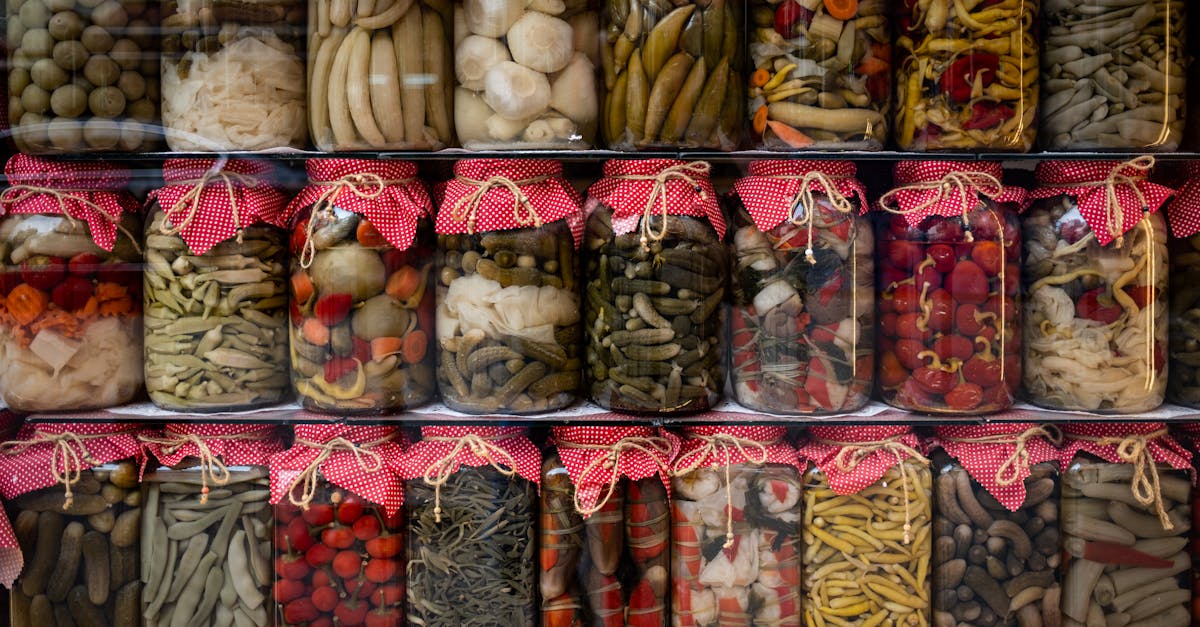
This is where probiotics come in. Don’t overthink it — live, fermented foods deliver beneficial bacteria more reliably than most supplements, and they’re delicious.
What to focus on this week
- Add one fermented food daily. Live yoghurt, kefir, sauerkraut, kimchi, miso, kombucha. Look for “live cultures” on the label — heat-treated versions don’t count.
- Keep going with Week 1’s prebiotic foods. The two work together. Probiotics without prebiotics are like buying houseplants without watering them.
- Try one new fermented food. If yoghurt is your usual, try kefir. If you’ve never had kimchi, start with a small spoonful alongside dinner.
- Consider a synbiotic supplement. If fermented foods aren’t your thing, a synbiotic blend (like FibreMaxx + Gut Boost) gives you prebiotics, probiotic Bacillus coagulans, and digestive enzymes in one scoop.
If you’re still not clear on which side of the gut conversation prebiotics and probiotics belong on, our explainer on prebiotics vs probiotics covers it without the jargon.
Week 3 — Cut the Saboteurs
This is not the “cut everything you love” week. It’s the “stop undoing the work you just did” week. A few specific things suppress beneficial bacteria and feed the less helpful ones — trim those, and the rest of your diet looks after itself.
What to focus on this week
- Reduce ultra-processed foods. The ones with long ingredient lists, emulsifiers and artificial flavours. Aim for two-thirds of your plate to come from whole or minimally processed foods.
- Watch artificial sweeteners. Some — including sucralose and saccharin — have been shown to alter gut bacteria balance. Stevia and erythritol are gentler choices.
- Moderate alcohol. Not “no alcohol forever” — but more than a few drinks a week disrupts the gut barrier. Pick your nights.
- Mind the late-night snacking. Your gut bacteria have a circadian rhythm too. A 12-hour overnight fast (e.g. last food at 8pm, breakfast at 8am) gives them time to reset.
For a deeper look at the foods quietly working against your gut, our guide to the signs of an unhealthy gut covers the patterns to watch for.
Week 4 — Reinforce Digestion
The last week is about supporting the system you’ve just rebuilt — digestion itself. Healthy bacteria are only half the story. If food isn’t being broken down properly, even the best diet can leave you bloated or sluggish.
What to focus on this week
- Take digestive enzymes if you need them. If you bloat after most meals, a broad-spectrum digestive enzyme blend (covering carbs, fats, lactose and protein) can take pressure off your gut while it heals.
- Hydrate properly. Fibre needs water to do its job. Aim for 6–8 glasses a day, more if you’re active. Herbal tea counts.
- Move daily. Even a 20-minute walk after meals improves motility — the rhythmic muscle action that moves food through your gut. It also activates the vagus nerve, which is central to gut-brain communication.
- Protect your sleep. The microbiome runs on a daily cycle. Six hours minimum, ideally seven to eight, and a consistent bedtime helps the gut clock as much as your sleep clock.
What to Expect Along the Way
A reset isn’t always smooth. Here’s a rough timeline of what most people notice.
- Days 1–3: Mild bloating or gas as fibre intake increases. This is your gut bacteria fermenting more food — uncomfortable but a sign things are working. Drink more water and ease the fibre up gradually.
- Days 4–7: Bloating settles. Digestion feels easier. Some people notice fewer cravings already.
- Week 2: More regular bowel habits. Steadier afternoon energy. Less reaching for sugar at 3pm.
- Weeks 3–4: Skin tends to shift — calmer, less reactive. Mood often lifts. Sleep deepens. People around you may comment that you seem brighter.
None of this is dramatic. It’s the quiet, accumulating sense that your body is working with you rather than against you.
Common Mistakes That Stall the Reset
Most resets stall for one of four reasons. Side-step these and you’ll see results.
- Going too fast with fibre. Jumping from 18g to 35g overnight will bloat anyone. Add 3–5g per day, week by week.
- Forgetting water. High fibre without enough fluid slows everything down. Aim to drink a glass with every fibre-rich meal.
- Ignoring stress. The gut-brain connection is real. Chronic stress disrupts the microbiome even when your diet is perfect. Five minutes of deep breathing or a walk goes a long way.
- Trying to do it alone with food. Some days you’ll fall short on fibre or fermented food. A daily synbiotic acts as a safety net — not a replacement for a varied diet, but an insurance policy on busy days.
After the Reset: How to Keep Going
Four weeks gives you the benefits. The next four months make them stick. Maintenance is gentler than the reset itself:
- Keep hitting 30g of fibre a day. Most people land naturally between 25–35g once it’s habitual.
- Eat fermented food two to three times a week.
- Limit ultra-processed foods to roughly one third of your plate, not two thirds.
- Drink, sleep, move. The unglamorous trio that quietly underpins everything.
- Keep your synbiotic going. Most people who feel the difference on a daily scoop don’t want to give it up.
If you’re curious about which foods to lean into long-term, our guide to gut health foods covers the patterns that show up across every healthy microbiome study.
The 4-Week Reset, in One Glance
- Week 1 — Feed: 30g fibre, prebiotic foods, whole grains.
- Week 2 — Plant: One fermented food daily, keep the fibre going.
- Week 3 — Trim: Less ultra-processed, fewer artificial sweeteners, moderate alcohol, 12-hour overnight fast.
- Week 4 — Reinforce: Digestive enzymes, hydration, daily movement, protected sleep.
Your gut isn’t fragile. It’s adaptable — and remarkably quick to respond when you give it what it needs. Four weeks. One scoop. A handful of small, sustainable changes. That’s the whole plan.
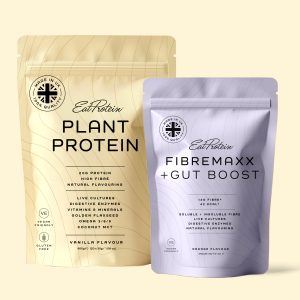
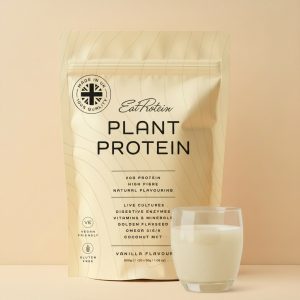
Ready to start your 4-week reset? Explore EatProtein FibreMaxx + Gut Boost — a daily synbiotic with chicory root inulin, live Bacillus coagulans cultures, and five digestive enzymes. Or pair it with our Vegan Protein, which also includes prebiotic fibre and live cultures built in.
References
- David, L.A., Maurice, C.F., Carmody, R.N., et al. (2014). Diet rapidly and reproducibly alters the human gut microbiome. Nature, 505(7484):559–563. View source
- NHS. (2022). How to get more fibre into your diet. NHS.uk. View source
- Suez, J., Korem, T., Zeevi, D., et al. (2014). Artificial sweeteners induce glucose intolerance by altering the gut microbiota. Nature, 514:181–186. View source
- Wastyk, H.C., Fragiadakis, G.K., Perelman, D., et al. (2021). Gut-microbiota-targeted diets modulate human immune status. Cell, 184(16):4137–4153. View source
- Sonnenburg, E.D., & Sonnenburg, J.L. (2014). Starving our microbial self: the deleterious consequences of a diet deficient in microbiota-accessible carbohydrates. Cell Metabolism, 20(5):779–786. View source
- Marco, M.L., Sanders, M.E., Gänzle, M., et al. (2021). The International Scientific Association for Probiotics and Prebiotics (ISAPP) consensus statement on fermented foods. Nature Reviews Gastroenterology & Hepatology, 18(3):196–208. View source
- Voigt, R.M., Forsyth, C.B., Green, S.J., et al. (2016). Circadian rhythm and the gut microbiome. International Review of Neurobiology, 131:193–205. View source