- A genuinely healthy crisp needs at least 8g of protein per 30g pack, a short ingredient list, and ideally baked rather than fried.
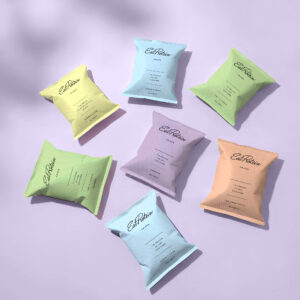
- EatProtein protein crisps top the list for protein density — 10g per 30g pack at under 100 calories. Real flavours, baked, short ingredient lists.
- Air-popped popcorn, roasted chickpeas and lentil crisps round out the strongest natural alternatives — each delivering protein and fibre beyond plain crisps.
- Watch the 'healthy' marketing on vegetable crisps and reduced-fat crisps — most still fall short on protein and contain similar fat to regular crisps.
- Build a habit by stocking the right options at home and pairing crisps with protein or fibre at the same snack moment for better satiety.
If you love a crunch but you’re tired of the bloated, sluggish feeling that comes with most supermarket crisps, you’re not alone. The good news: the “healthy crisps” category in the UK has changed completely in the past few years. There are now genuinely satisfying swaps — higher in protein, lower in calories, with real ingredients that don’t taste like punishment. Here are ten worth your shelf space.
What Makes a Crisp “Healthy”?
Before the swaps — a quick definition. A genuinely healthy crisp isn’t just one with a green label. Look for:
- Decent protein content — at least 4g per 30g serving, ideally more
- Lower in saturated fat — typically under 2g per pack
- Short ingredient list — no artificial sweeteners, flavour enhancers, emulsifiers or hidden sugars
- Real ingredients you can pronounce — lentils, chickpeas, peas, beans, seeds
- Baked or air-dried where possible — not deep-fried in oxidised seed oils
Most “healthy” crisps on the supermarket shelf still fail on at least one of these — particularly protein. A “vegetable crisp” with 1.5g of protein and 12g of fat isn’t a swap, it’s the same problem in different packaging.
1. Air-Popped Popcorn
The original “healthy crisp swap” — and still one of the best. A 30g serving of air-popped popcorn gives you around 3.5g of fibre, 3g of protein, and ~110 calories. It’s a whole grain, which means meaningful nutritional value, and the volume satisfies the same crunch craving as crisps.
- Look for: air-popped or lightly seasoned versions, not movie-theatre style with added butter and salt
- Brands worth trying: Propercorn, Joe & Seph’s (lighter flavours), or home-popped with a drizzle of olive oil and sea salt
- Pair with: a piece of fruit for a balanced snack
2. Roasted Chickpeas
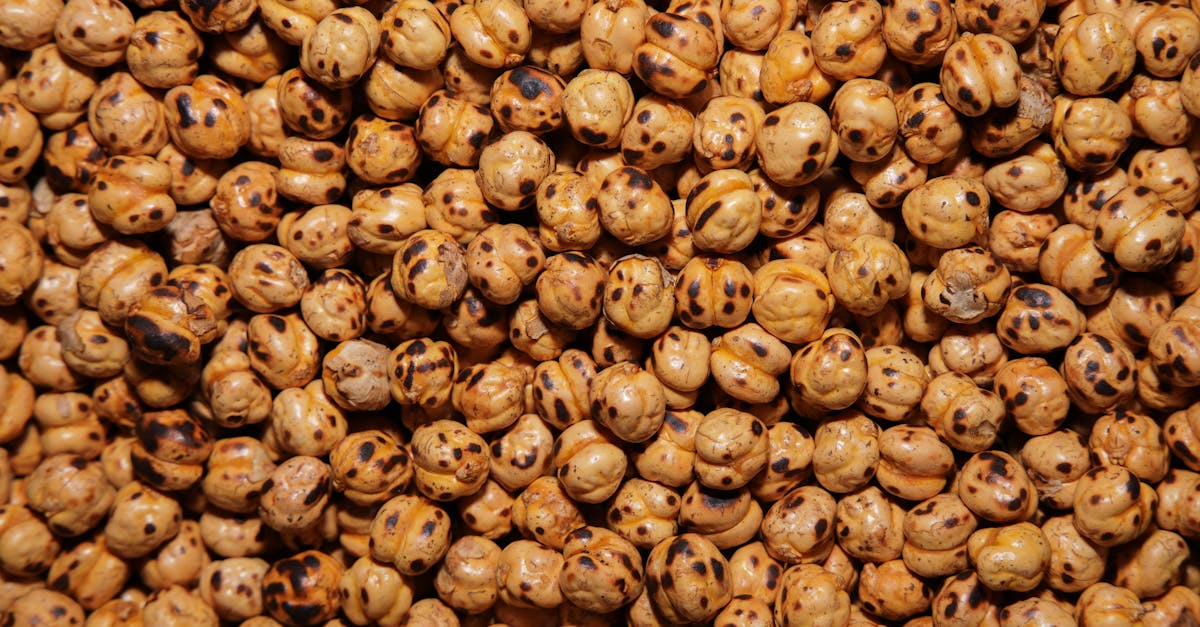
Less crisp, more substantial — but a brilliant savoury snack. Per 30g serving: around 6g of protein, 4g of fibre, and 130 calories. You can buy them or make them at home (drain a tin, toss in olive oil and seasoning, roast at 200°C for 25 minutes).
- Bonus: high in plant iron and folate
- Brands to try: Eat Real, The Curators, or home-roasted
- Pair with: a sliced apple or pear for a sweet-savoury snack
3. Lentil Crisps
Lentils provide protein, fibre, and a satisfying crunch when baked into a crisp. Most lentil crisps offer around 4–5g of protein and 2–3g of fibre per pack — better than potato crisps and a real plant-based protein source.
- Brands to look at: Eat Real Lentil Chips, Hippeas (some ranges)
- Watch for: some lentil crisps are fried in sunflower oil and end up with similar fat content to regular crisps — check the label
- Pair with: hummus for an extra protein boost
4. Chickpea Puffs
Light, airy, and made from chickpea flour — these have become genuinely popular over the past few years. Around 4g of protein and 3g of fibre per serving, lower in fat than fried crisps, with a satisfying texture.
- Brands to try: Hippeas, Eat Real Chickpea Puffs
- Flavours that work: sea salt, salt & vinegar, white cheddar
- Best for: kids’ lunchboxes and on-the-go snacking
5. Edamame Crisps
Made from soy beans, edamame crisps deliver around 6–7g of protein per 30g serving — among the highest-protein vegetable-derived crisps on the market. Slightly different texture (chewier than crisp), but the protein hit is real.
- Brands to try: Eat Real Edamame Chips
- Best for: post-workout snack or a high-protein lunchbox addition
- Watch for: high sodium in some flavoured versions
6. Seaweed Snacks
Almost calorie-free (a typical pack is 20–40 calories), high in iodine, and surprisingly satisfying. Low protein (~2g) but the crunch and savouriness scratches the crisp itch without adding to your calorie count meaningfully.
- Brands to try: Itsu, Yutaka, Clearspring
- Best for: a low-calorie pre-dinner snack or paired with a high-protein main
- Watch for: high sodium in some flavoured versions
7. Plantain Chips
Made from green plantains, sliced and baked or fried. They have a natural sweetness, decent fibre (around 4g per 30g), and a unique flavour. Lower protein than most options on this list (~2g) but a satisfying alternative when you want something different.
- Brands to try: Inka Crops Plantain Chips, Tropical Wholefoods
- Best for: dipping in guacamole or salsa for a balanced snack
- Look for: baked versions over fried
8. Beetroot & Vegetable Crisps
The most overrated entry on this list — but still worth including with a caveat. Brand-name vegetable crisps look healthy but are usually fried in sunflower oil and quite high in fat (often 25g+ fat per 100g). The nutritional bump from the veg base is real but modest.
- Brands to try (with care): Tyrrells Vegetable Crisps, Eat Real Veggie Straws
- Watch for: these can be the worst “health halo” purchase in the crisp aisle — read the label
- Better option: roast your own vegetable chips at home (sweet potato, beetroot, parsnip) at 180°C with olive oil
9. Kale Chips
Baked or dehydrated kale chips deliver vitamins A, C and K along with fibre and a satisfying crunch. Lower protein (~3g per 30g) but very low calorie and nutrient-dense. Easy to make at home.
- Brands to try: Inspiral, supermarket own-brand
- Best for: snacking that genuinely adds vegetables to your day
- Home-made: toss kale leaves in olive oil and sea salt, bake at 150°C for 12–15 minutes
10. Sweet Potato Crisps (Home-Made)
The slow-burn winner. Slice sweet potato thinly, toss in olive oil, sea salt and rosemary, bake at 180°C for 25–30 minutes. Crispy, satisfying, around 100 calories per serving, ~2g of protein and 3g of fibre — and you control exactly what goes into them.
- Best for: weekend prep — make a batch, store in an airtight container, ration across the week
- Flavour variations: paprika & lime, garlic & thyme, chilli & cumin
- Pair with: a poached egg for a high-protein lunch
Quick Comparison Table
- Air-popped popcorn — 3g protein, 110 kcal, 3.5g fibre
- Roasted chickpeas — 6g protein, 130 kcal, 4g fibre
- Edamame crisps — 6g protein, 130 kcal, low carbs
- Lentil crisps — 4–5g protein, 130 kcal, 3g fibre
- Chickpea puffs — 4g protein, 130 kcal, 3g fibre
- Kale chips — 3g protein, 80 kcal, 2g fibre
- Home-baked sweet potato — 2g protein, 100 kcal, 3g fibre
- Plantain chips — 2g protein, 150 kcal, 4g fibre
- Seaweed snacks — 2g protein, 30 kcal, low fat
- Vegetable crisps — 2g protein, 160 kcal, 12g fat (variable)
And If You Want a Higher-Protein Crisp Specifically…
For times when you want a real-crisp texture with a much bigger protein hit than the swaps above, EatProtein Protein Crisps deliver 11g of protein per 22g bag at under 100 calories. They’re soy-based (so not fully clean-label vegan) and lightly sweetened — but the protein-to-calorie ratio is hard to beat in this category. Think of them as a step up from a packet of crisps rather than a wholefood option.
For the natural-ingredients route, popcorn, roasted chickpeas and home-baked sweet potato are the strongest picks. For a real-crisp craving with serious protein, EP Protein Crisps fit the bill — just choose deliberately, not by default.
What to Avoid
Some “healthy” crisp categories sound good but fall short:
- “Reduced fat” potato crisps — still high in refined carbs, still low in protein, often higher in sodium to compensate for the flavour drop
- Baked potato crisps — slightly better than fried but still mostly starch with minimal protein
- “Vegetable straws” — extruded potato starch with a tiny dusting of vegetable powder; nutritionally similar to regular crisps
- Crisps with long ingredient lists — emulsifiers, flavour enhancers and stabilisers all undermine gut health regardless of the marketing
For the gut-health context behind why ultra-processed crisps cause issues, see our guide to the worst foods for gut health.
How to Build a Healthier Crisp Habit
- Stock the right options at home. If healthy crisps are in the cupboard, you’ll reach for them. If they aren’t, you won’t.
- Pair with protein or fibre at the same snack moment. Popcorn with a Greek yoghurt cup. Chickpea puffs with hummus. The pairing keeps you fuller for longer.
- Watch portion sizes. Even healthy crisps need a portion limit — 30–40g (one pack) is the sweet spot, not the whole bag.
- Save crisps for snack moments, not as meal sides. A daily packet at lunch adds up; an occasional satisfying snack doesn’t.
For more snack ideas beyond crisps, see our roundup of best high-protein snacks.
The Bottom Line
Healthy crisps in the UK aren’t a contradiction anymore — but most of the supermarket “healthy” options still aren’t very healthy. The real winners are air-popped popcorn, roasted chickpeas, lentil crisps, edamame crisps, and home-baked vegetable chips — alongside protein crisps for the times you specifically want a crisp-format protein hit. Keep them stocked, watch the portion, and you’ve got a crisp habit that supports your gut, your protein intake, and your goals — without sacrificing the crunch.
Want the highest-protein crisp option? Explore EatProtein Protein Crisps — 11g of protein per 22g bag at under 100 calories. Try the Taster Box to find your favourite flavour.
References
- Public Health England. (2019). National Diet and Nutrition Survey: Years 9 to 11. View source
- Westerterp-Plantenga, M.S., Lemmens, S.G., & Westerterp, K.R. (2012). Dietary protein – its role in satiety, energetics, weight loss and health. British Journal of Nutrition, 108 Suppl 2:S105–112. View source
- Slavin, J.L. (2013). Fiber and prebiotics: mechanisms and health benefits. Nutrients, 5(4):1417–1435. View source
- NHS. (2022). Healthier snacks. NHS.uk. View source
- Chassaing, B., Koren, O., Goodrich, J.K., et al. (2015). Dietary emulsifiers impact the mouse gut microbiota promoting colitis and metabolic syndrome. Nature, 519(7541):92–96. View source