- The most common pea protein side effects are bloating and gas — usually temporary, settling within 7–14 days as the gut adjusts.
- Start with half a scoop for the first week, sip slowly, and pair with food rather than on an empty stomach to minimise discomfort.
- A pea-rice blend with digestive enzymes is much better tolerated than pure pea isolate — the rice softens digestion and enzymes process fibres.
- Watch sodium content — some pea isolates are surprisingly high. Look for under 200mg per serving if sodium-sensitive.
- If side effects persist past 3 weeks of consistent use, switch products (better formulation) — not protein types. The fix is rarely going back to whey.
You switched to pea protein because it was meant to be the gentler option — and yet you’re more bloated than before. The good news: pea protein side effects are real but predictable, almost always temporary, and easy to avoid once you know how. Here’s what’s actually happening, and the simple changes that fix it.
The Side Effects to Know About
Pea protein is well-tolerated by most people, but a few side effects are common — especially in the first 1–2 weeks of use, or when switching from a different protein source.
- Bloating (most common)
- Gas (often paired with bloating)
- Mild stomach discomfort after large servings
- Altered bowel habits (looser or more frequent stools as your gut adjusts)
- Sodium intake (some pea isolates are higher in sodium than expected)
- Allergic reactions (rare — but possible for those with pea or legume allergies)
Most of these settle within 7–14 days as your digestive system adjusts. A few simple tweaks can prevent them entirely.
1. Bloating: Why It Happens and How to Fix It
Bloating is by far the most reported pea protein side effect. The reasons it happens:
- Sudden change in fibre intake. Quality pea protein blends often include added fibre, prebiotics or live cultures. If you’ve been eating a low-fibre diet, your gut bacteria need time to ramp up the fermentation needed to process it.
- Pea protein’s natural fibre content. Even pure pea isolate retains a small amount of fibre and oligosaccharides — the same compounds in beans that contribute to gas.
- Drinking it too fast. Gulping a shake quickly traps air in your stomach, which compounds any digestive discomfort.
- Large servings. 40g+ of protein at once is harder to digest than 25g.
How to fix it
- Start with half a serving for the first 3–5 days, then build up.
- Sip, don’t gulp. A shake over 5–10 minutes is far gentler than one over 90 seconds.
- Drink water throughout the day. Fibre and protein both need hydration to digest smoothly.
- Choose a pea protein with digestive enzymes built in. Cellulase, lactase, lipase and protease enzymes help break the protein and any added fibres down more efficiently — and are why EatProtein Plant Based Wellness Protein includes all five.
- Pair with food, not just water. Blending into a smoothie with banana, oats and milk often digests more comfortably than a plain shake.
2. Gas: The Twin Sibling of Bloating
Gas usually accompanies bloating in the first 1–2 weeks. It’s the result of your gut bacteria fermenting the new fibres they’re suddenly encountering — producing more short-chain fatty acids (good) but also some gas as a by-product (less fun).
Important: this is actually a sign your microbiome is engaging with the new food source. It typically settles as your bacterial population rebalances.
How to fix it
- Ease in over 2 weeks. Half scoop for week 1, three-quarters for week 2, full scoop after.
- Spread protein across the day. A 20g morning shake plus 20g afternoon yoghurt is gentler than 40g in one go.
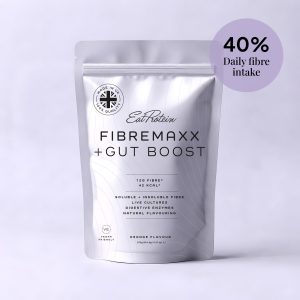
- Add a daily prebiotic. Counterintuitive but true — feeding your gut bacteria consistent prebiotic fibre helps them adapt faster.
- Stay patient. Most people see noticeable improvement within 10 days.
3. Mild Stomach Discomfort
Some people experience mild stomach cramping or a “full” feeling after pea protein, especially with larger servings. This usually traces back to:
- Large doses. 30g+ of protein at once is more than most digestive systems handle smoothly.
- Empty stomach use. Pure pea protein on an empty stomach digests less comfortably than when paired with food.
- Cold-water shakes. Some people find cold liquids harder on the stomach than room temperature.
How to fix it
- Stick to 20–25g of protein per serving
- Pair with a small meal, smoothie, or porridge
- Try room-temperature liquid if cold shakes don’t sit well
- Take it at the same time daily — your gut adapts to predictable timing
4. Changed Bowel Habits
Some people notice their bowel movements become looser or more frequent during the first week or two on pea protein. This is usually positive — a sign that your gut transit is moving more efficiently — but it can feel surprising if you weren’t expecting it.
If you’re moving from a low-fibre diet to one with prebiotic fibre and live cultures, expect this. It usually settles within 7–14 days.
When to be concerned
Changes that persist beyond two weeks, or are accompanied by significant pain, blood, or unintended weight loss, warrant a GP visit. The vast majority of bowel changes on pea protein are normal adjustment.
5. Sodium Content
Not all pea proteins are equal on sodium. The extraction process can leave residual salt, and some manufacturers add sodium for taste or solubility. A serving of pea isolate can contain anywhere from 50mg to 400mg of sodium.
If you’re watching sodium for blood pressure or other reasons, look for products listing under 200mg per serving. EP’s plant protein lists this clearly on the label.
6. Pea or Legume Allergy (Rare)
Pea allergies are rare but real, particularly in those already allergic to peanuts or other legumes. Symptoms can include skin reactions, swelling, breathing difficulty, or severe gut upset. Anyone with a known legume allergy should consult their GP before trying pea protein.
If you experience any symptoms beyond mild bloating — particularly skin rashes, swelling, or breathing changes — stop use and seek medical advice.
How to Avoid Side Effects from Day One
Almost all common pea protein side effects can be prevented with a few simple habits:
- Start small. Half a scoop for the first week. Quarter cup of water more than the label suggests.
- Choose a well-formulated pea protein with enzymes. The added rice protein softens digestion; the digestive enzymes do the rest.
- Take it with food. A small breakfast or piece of fruit alongside.
- Hydrate well. 6–8 glasses of water across the day, not just with the shake.
- Be consistent. Daily use settles your gut faster than sporadic use.
- Don’t double-dose to “catch up.” If you skip a day, just resume the normal amount the next day.
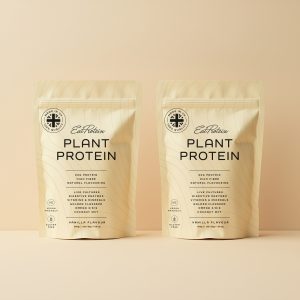
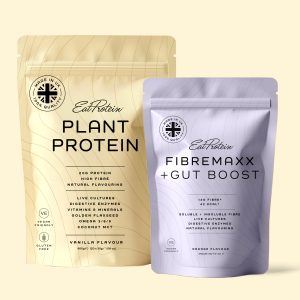
EatProtein Plant Based Wellness Protein is designed specifically to minimise these side effects — pea isolate paired with five digestive enzymes (including cellulase for fibre), live cultures (L. acidophilus and Bifidobacterium) and chicory root inulin for steady prebiotic support. Built for women whose stomachs are sensitive to plain pea isolate alone.
When Side Effects Mean You Should Switch Products
If you’ve followed the tips above for 3 weeks and side effects are still significant, the issue may be the specific product rather than pea protein in general. Consider switching if:
- You’re using a pure pea isolate with no digestive enzymes or prebiotics — try a properly formulated pea protein with the full gut-support stack instead
- The product has added inulin or chicory at high doses without your gut being ready for it — start with a lower-fibre version and add fibre gradually
- You’re using a product with artificial sweeteners, gums or emulsifiers — these can independently cause bloating; try a cleaner formulation
- Sodium is high and you’re sensitive — switch to a low-sodium option
The Bigger Picture: Pea Protein Side Effects vs Whey
One context worth keeping in mind — most people switching to pea protein are doing so because whey caused worse side effects. Lactose intolerance affects up to 65% of adults globally, and many “I bloat from protein powder” cases trace back to whey rather than pea.
If pea protein side effects feel manageable, they probably are. If they feel worse than what whey was doing, switching products (or product type) is reasonable — but stick with plant-based, and look for a well-formulated blend with gut support built in.
For a fuller comparison, see our guide to pea vs whey protein and our explainer on complete amino acid profiles.
The Bottom Line
Pea protein side effects are mostly bloating and gas, and almost always temporary. They’re avoidable with a half-serving start, gradual build-up, hydration, and choosing a pea protein formulated with digestive enzymes and prebiotic fibre rather than a plain pea isolate on its own. Within 1–2 weeks, most people are tolerating their full serving comfortably — and seeing the benefits in satiety, gut health and clean ingredient profile that pea protein delivers.
Want a plant protein designed to minimise side effects? Explore EatProtein Plant Based Wellness Protein — well-formulated pea protein with five digestive enzymes, live cultures and prebiotic fibre. Or browse our full Vegan Protein range.
References
- Banaszek, A., Townsend, J.R., Bender, D., et al. (2019). The effects of whey vs. pea protein on physical adaptations following 8 weeks of high-intensity functional training. Sports, 7(1):12. View source
- Babault, N., Païzis, C., Deley, G., et al. (2015). Pea proteins oral supplementation promotes muscle thickness gains during resistance training. Journal of the International Society of Sports Nutrition, 12:3. View source
- Slavin, J.L. (2013). Fiber and prebiotics: mechanisms and health benefits. Nutrients, 5(4):1417–1435. View source
- Storhaug, C.L., Fosse, S.K., & Fadnes, L.T. (2017). Country, regional, and global estimates for lactose malabsorption in adults. The Lancet Gastroenterology & Hepatology, 2(10):738–746. View source
- Burton-Freeman, B. (2000). Dietary fiber and energy regulation. Journal of Nutrition, 130(2):272S–275S. View source