- Soluble fibre dissolves in water and forms a gel — feeding gut bacteria, steadying blood sugar and lowering cholesterol. Found in oats, beans, apples, chia and chicory.
- Insoluble fibre doesn't dissolve — it adds bulk to stools and speeds transit. Found in wholemeal bread, wheat bran, brown rice, vegetable skins and nuts.
- Most UK adults need more of both. The deficit usually sits on the soluble side — the type that feeds the microbiome.
- A varied diet of whole foods naturally delivers both types. Aim for the NHS-recommended 30g a day across grains, legumes, fruit, veg and nuts.
- Chicory root inulin is one of the most researched prebiotic (soluble) fibres — useful on days when food alone falls short.
You’ll have heard the words “soluble” and “insoluble” fibre — usually in the same sentence, rarely with a useful explanation. They’re not the same thing. They do different jobs, they show up in different foods, and most of us need more of both. Here’s the practical version: what each one is, where to find it, and how to balance them in a normal UK diet.
The 30-Second Difference
Soluble fibre dissolves in water. It forms a gel-like substance in your gut that slows digestion, steadies blood sugar, lowers cholesterol, and feeds your beneficial gut bacteria. Think oats, beans, apples, chia seeds, chicory root inulin.
Insoluble fibre doesn’t dissolve. It adds bulk to stools and helps food move through your digestive tract — the “broom” function people associate with fibre. Think wholemeal bread, wheat bran, vegetable skins, nuts, brown rice.
Most plant foods contain both, in different ratios. You don’t need to weigh them out. You just need to eat a variety of plants and make sure you’re hitting the NHS-recommended 30g a day.
Soluble Fibre: What It Does
Soluble fibre is the more talked-about of the two — and for good reason. It’s the one doing most of the heavy lifting for your gut, your blood sugar, and your heart.
- Feeds your gut bacteria. Some soluble fibres (called prebiotic fibres) are fermented by beneficial bacteria in your colon. This produces short-chain fatty acids that nourish your gut lining and support immunity.
- Steadies blood sugar. The gel it forms slows the absorption of sugar into your bloodstream — meaning fewer energy crashes and steadier focus.
- Lowers cholesterol. Soluble fibre binds to cholesterol in your digestive system and helps carry it out of your body.
- Keeps you fuller, longer. Slower digestion means you stay satisfied between meals without reaching for snacks.
Best UK sources of soluble fibre
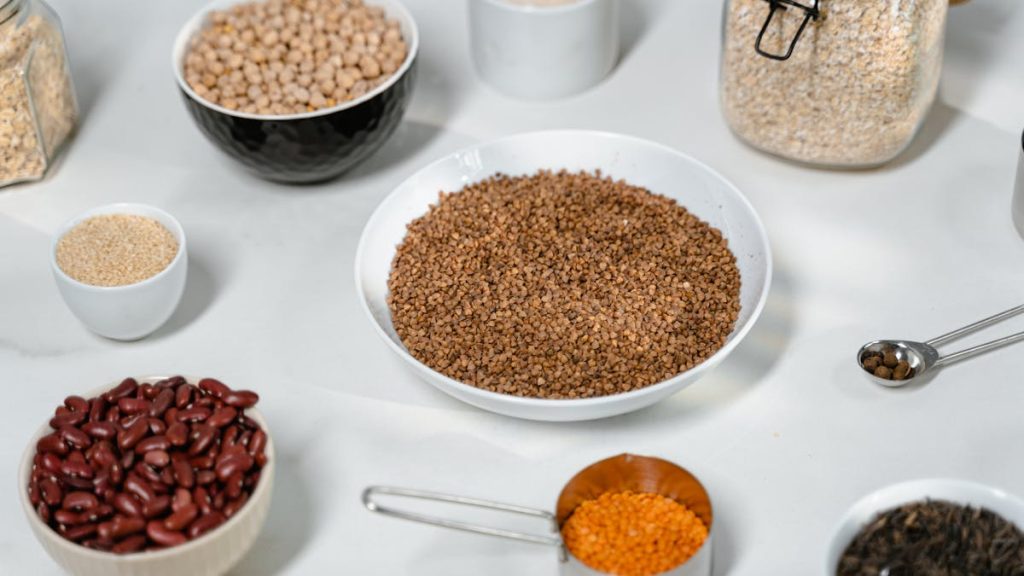
- Oats — beta-glucan, one of the most studied soluble fibres for cholesterol
- Beans & lentils — black beans, kidney beans, chickpeas, red and green lentils
- Apples & pears — pectin, a gentle prebiotic
- Chia & flax seeds — turn gelatinous when soaked
- Chicory root — pure inulin, an exceptional prebiotic fibre
- Avocado, sweet potato, broccoli — all decent contributors
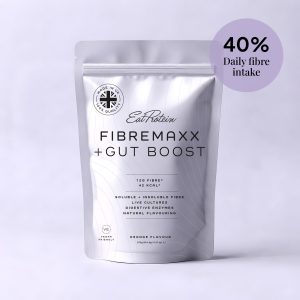
If you struggle to get enough soluble fibre from food alone, a daily scoop of EatProtein FibreMaxx + Gut Boost delivers 6g of full-spectrum fibre — chicory root inulin (a prebiotic soluble fibre) plus ultra-smooth flaxseed (a mix of soluble and insoluble) — alongside live cultures and digestive enzymes.
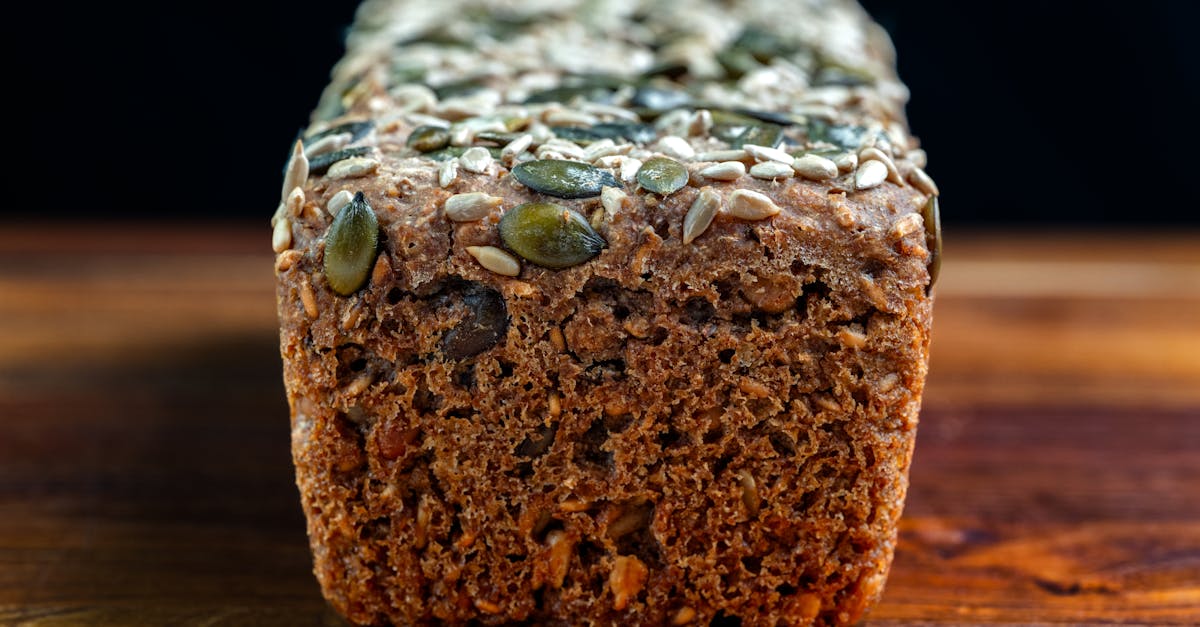
Insoluble Fibre: What It Does
Insoluble fibre is less glamorous but no less important. It’s what keeps things moving — literally.
- Adds bulk to stools. This makes bowel movements easier and more regular.
- Speeds transit time. Food moves through your digestive tract more efficiently, which helps remove waste and reduces strain on the colon.
- Supports a healthy gut environment. Faster transit means less time for harmful compounds to linger in the colon.
- Helps with appetite regulation. Like soluble fibre, it adds volume to meals without adding calories.
Best UK sources of insoluble fibre
- Wholemeal & whole-grain breads — far better than white versions
- Wheat bran — concentrated insoluble fibre; a small sprinkle goes a long way
- Brown rice, bulgur wheat, quinoa — keep the grain whole
- Vegetables with skins — courgette, peppers, celery, cauliflower
- Potato skins — leave them on when roasting or jacketing
- Nuts & seeds — almonds, walnuts, pumpkin and sunflower seeds
Which One Do You Actually Need More Of?
Most UK adults need more of both — but if you have to choose, the deficit usually shows up on the soluble side. Here’s how to tell which one you’re short on:
You might need more soluble fibre if:
- You experience blood sugar crashes or strong cravings
- Your cholesterol has crept up
- You bloat after eating but don’t have trouble going to the bathroom
- Your gut bacteria balance feels off — irregular digestion, low energy, frequent illness
- You eat plenty of whole grains and veg but few beans, lentils, oats or fruit
You might need more insoluble fibre if:
- You’re frequently constipated
- Stools are hard, dry or difficult to pass
- You eat soft, processed foods most days (white bread, refined cereal, low-veg meals)
- You feel sluggish after meals — that “stuck” feeling
In practice, the same foods that boost insoluble fibre — whole grains, vegetables, nuts — also contain useful amounts of soluble fibre. So the easiest answer is usually to eat more whole, plant-based foods across the board.
How to Balance Both in a Typical Day
Here’s what a balanced fibre day looks like with both types covered. Nothing fancy, all UK-supermarket basics.
- Breakfast: Porridge made with oats (soluble) + chia seeds (soluble + insoluble) + sliced banana (both). Roughly 8–10g total.
- Lunch: Wholemeal wrap (insoluble) + mixed beans (soluble) + side salad (both). Roughly 9–11g.
- Snack: An apple (soluble) + a handful of almonds (insoluble). Roughly 4–5g.
- Dinner: Chickpea curry (soluble) + brown rice (insoluble) + steamed broccoli (both). Roughly 10–12g.
That’s a 30–35g day, with both fibre types comfortably covered. No counting, no tracking — just a slightly more thoughtful version of meals you might already be making.
Common Mistakes With Fibre Balance
- Loading up on bran without enough water. Insoluble fibre needs hydration to do its job. Without it, you can make things worse rather than better.
- Skipping pulses. Beans, lentils and chickpeas are the single best source of soluble fibre for most diets. Aim for at least 3 servings a week.
- Juicing instead of eating whole fruit. Juice strips out the fibre and leaves the sugar. Eat the apple, don’t drink it.
- Assuming a “high fibre” label means soluble fibre. Many high-fibre cereals are heavy on wheat bran (insoluble) and light on the prebiotic, gut-feeding fibres. Read the back, not the front.
- Increasing too fast. Even the best fibre can cause bloating if you jump from 18g to 35g overnight. Add 3–5g per day and let your gut adjust.
Where Supplements Fit In
Food first — always. But supplements have a role when life doesn’t cooperate. The fibre that’s hardest to get consistently is soluble, prebiotic fibre — the kind that feeds your gut bacteria. That’s where a dedicated supplement earns its place.
Chicory root inulin is one of the most researched prebiotic fibres available. It dissolves in any liquid, tastes of nothing, and contributes meaningful soluble fibre per serving — without the bulk or grittiness of some bran-based products. EP’s FibreMaxx pairs it with flaxseed to deliver 6g of full-spectrum fibre per scoop (covering both soluble and insoluble).
If you’re piecing together the wider gut-health picture, our explainer on prebiotics vs probiotics and the 4-week gut reset plan cover how soluble fibre fits into the bigger system.
The Short Answer
You need both. Soluble fibre feeds your gut bacteria, steadies your blood sugar and lowers cholesterol. Insoluble fibre keeps things moving and supports regularity. Most UK adults eat too little of either, and the gap is easier to close than you’d think — with whole grains, beans, fruit, vegetables, and (on days when food falls short) a daily prebiotic fibre supplement.
Want a simple way to top up your soluble fibre? Explore EatProtein FibreMaxx + Gut Boost — chicory root inulin plus live cultures and digestive enzymes. Or browse our full Fibre range.
References
- NHS. (2022). How to get more fibre into your diet. NHS.uk. View source
- Scientific Advisory Committee on Nutrition (SACN). (2015). Carbohydrates and Health. Public Health England. View source
- Anderson, J.W., Baird, P., Davis, R.H., et al. (2009). Health benefits of dietary fiber. Nutrition Reviews, 67(4):188–205. View source
- Slavin, J.L. (2013). Fiber and prebiotics: mechanisms and health benefits. Nutrients, 5(4):1417–1435. View source
- Dahl, W.J., Zank, L., & Auger, J. (2017). Effect of consumption of chicory inulin on bowel function in healthy subjects with constipation. International Journal of Food Sciences and Nutrition. View source
- Whitehead, A., Beck, E.J., Tosh, S., et al. (2014). Cholesterol-lowering effects of oat β-glucan: a meta-analysis of randomized controlled trials. American Journal of Clinical Nutrition, 100(6):1413–1421. View source