- Most women in the UK don't get enough protein — and the gap is often widest at breakfast and between meals
- Protein supports far more than muscle — it's essential for energy, bone density, hormone balance, skin health, and healthy ageing
- Women benefit from spreading protein throughout the day rather than loading it all into one meal — snacking is a powerful way to bridge the gap
- Active women, women over 40, and women going through hormonal changes may need more protein than the standard recommendation
- EP's range is designed for women — from Vegan Protein with gut support to protein crisps, chocolate, and collagen wafers that make hitting your daily protein simple
Protein tends to get talked about as if it belongs to someone else’s world — the gym floor, the bodybuilding aisle, the meal-prep content that feels like it was made for a different audience entirely. But here’s the truth: protein is one of the most important nutrients for women’s health, and most of us aren’t getting enough of it. Not even close.
Whether you’re in your twenties and powering through a demanding career, a mum juggling a thousand things before midday, or navigating the hormonal shifts that come with perimenopause and beyond — protein is quietly holding your body together. And when there isn’t enough of it, you feel it. This guide is for every woman who wants to understand why protein matters, how much she actually needs, and how to close the gap without overhauling her entire life.
Why Protein Matters More for Women Than You Think
Protein does far more than build muscle. It’s the structural foundation your body relies on every single day — and for women, the benefits reach into areas that don’t always make it into the conversation.
Muscle maintenance and strength
Women naturally carry less muscle mass than men, and we begin to lose it gradually from around age 30. That process accelerates during and after menopause, when declining oestrogen levels make it harder for your body to maintain and build muscle. Adequate protein — combined with regular movement — is one of the most effective ways to slow that loss and preserve your everyday strength. This isn’t about aesthetics. It’s about being able to carry your shopping, lift your children, and feel capable in your own body for decades to come.
Bone density
Bone health isn’t just about calcium. Protein makes up roughly 50% of bone volume and about a third of bone mass. Research consistently shows that higher protein intake is associated with greater bone mineral density and a reduced risk of fractures — particularly in postmenopausal women, who are most vulnerable to osteoporosis. Your bones need protein to stay strong, and that need only grows as you age.
Hormone production and balance
Amino acids — the building blocks of protein — are essential for producing hormones and neurotransmitters that regulate everything from your mood and sleep to your metabolism and menstrual cycle. When protein intake is consistently low, your body has fewer raw materials to work with, and hormonal balance can suffer. This matters at every stage, but becomes especially relevant during perimenopause and menopause, when your body is already adapting to significant hormonal shifts.
Energy that lasts
If you find yourself reaching for a biscuit or a coffee by 3pm, low protein could be part of the picture. Protein digests more slowly than carbohydrates, helping to stabilise blood sugar and sustain your energy across the day. It also has the highest thermic effect of any macronutrient — meaning your body uses more energy to digest it. The result is steadier, more reliable energy without the spikes and crashes.
Skin, hair, and nails
Collagen — the most abundant protein in your body — is the structural scaffolding for your skin, hair, and nails. As collagen production naturally slows with age, supporting your body with adequate protein (and collagen specifically) can help maintain that strength and resilience from the inside out. It won’t reverse time, but it gives your body what it needs to do its best work.
The Protein Gap: Why Most Women Fall Short
The UK Reference Nutrient Intake (RNI) for protein is 0.75g per kilogram of body weight per day — which works out to around 45g for the average woman. That’s the minimum to prevent deficiency. Many nutrition experts now recommend closer to 1g per kg for optimal health, and higher still for active women or those over 40.
And yet, national diet surveys consistently show that women are more likely than men to fall short. The gap isn’t always dramatic — it’s often quiet and incremental. A low-protein breakfast here, a skipped snack there, a lunch that’s mostly carbohydrates. Over time, those small shortfalls add up.
Where the gap is widest
- Breakfast — Toast, cereal, fruit, a pastry on the way to work. These are common breakfast choices, and most of them deliver very little protein. Starting your day with under 10g of protein means you’re already behind.
- Between meals — Snacking tends to default to carbohydrate-heavy options: crackers, fruit, a handful of something from the cupboard. There’s nothing wrong with any of those foods, but they rarely contribute meaningful protein to your day.
- Dinner-loading — Many women end up concentrating most of their protein in a single evening meal. But your body can only use so much protein at once for muscle synthesis — research suggests around 25–40g per sitting is optimal. Anything beyond that is still valuable, but spreading your intake across the day is far more effective.
The pattern is clear: it’s not that women are making poor choices. It’s that the default food landscape doesn’t make it easy to get enough protein throughout the day — especially when you’re busy, on the move, or simply not thinking about macronutrients at every meal.
How Much Protein Do Women Actually Need?
Let’s put some practical numbers to this, because “eat more protein” isn’t very helpful on its own.
- General adult women (sedentary to lightly active): 0.75–1g per kg of body weight. For a 65kg woman, that’s 49–65g per day.
- Active women (regular exercise, strength training, or physically demanding jobs): 1–1.2g per kg. For a 65kg woman, that’s 65–78g per day.
- Women over 40 and through menopause: Many experts recommend the higher end of the range — 1–1.2g per kg — to counteract the accelerated muscle and bone loss that comes with declining oestrogen.
- Pregnant and breastfeeding women: Protein needs increase significantly. Current UK guidelines recommend an additional 6g per day during pregnancy and 8–11g per day while breastfeeding. Always check with your midwife or GP for personalised advice.
These numbers aren’t daunting once you see how they break down across a full day. The key is distribution — not volume. Aiming for 20–30g of protein at each meal, with one or two protein-rich snacks in between, comfortably covers most women’s needs without any radical dietary changes.
Protein at Every Life Stage
Your relationship with protein doesn’t stay the same across your life — and it shouldn’t. Here’s how the priorities shift.
In your twenties and thirties
This is the window when you’re building the foundation. Bone density peaks around age 30, and muscle mass is at its easiest to build and maintain. Prioritising protein now is an investment in how you’ll feel for the next several decades. If you’re also balancing a demanding career, training regularly, or managing the early years of motherhood, your needs may be higher than the baseline recommendation.
In your forties
Perimenopause can begin as early as the mid-forties, bringing fluctuations in oestrogen and progesterone that affect muscle retention, bone density, sleep, mood, and energy. This is the stage where protein becomes less of a nice-to-have and more of a non-negotiable. Pairing higher protein intake with resistance exercise is one of the most evidence-supported strategies for maintaining strength and wellbeing through this transition.
In your fifties and beyond
After menopause, the rate of muscle loss accelerates, and bones become more vulnerable to fracture. Protein, alongside calcium and vitamin D, is essential for preserving what you’ve built. Research published in the Journal of Bone and Mineral Research suggests that higher protein intake in older women is consistently associated with better bone outcomes and fewer falls — which matters enormously for independence and quality of life as you age.
Where to Get Protein Throughout Your Day
Knowing how much you need is one thing. Actually getting it into your day — consistently, practically, and in ways that fit your life — is where most of the challenge lies. Here’s how to think about it.
Protein-rich meals
- Breakfast: Eggs in any form, Greek yoghurt with nuts, overnight oats made with protein powder or milk, smoked salmon on wholemeal toast. Aim for at least 20g to start your day on solid ground.
- Lunch: Chicken or chickpea salad, a bean-based soup, leftover dinner, tuna with quinoa. The goal is another 20–30g without too much effort.
- Dinner: Lean meat, fish, tofu, tempeh, or legume-based dishes. Most people find dinner the easiest meal to hit their protein target — the challenge is not relying on it exclusively.
The role of protein snacks
This is where many women can make the biggest difference with the least effort. If your meals are delivering 60–70% of your daily protein, one or two high-protein snacks can comfortably bridge the rest — especially during those mid-morning or mid-afternoon gaps where energy dips and cravings tend to creep in.
The right protein snack doesn’t need to be a bar that tastes like cardboard or a shake you have to plan around. It can be something you genuinely enjoy — something that fits into your bag, your desk drawer, or your evening routine without any fuss.
EatProtein’s snack range is designed for women who want protein without compromise. Protein Crisps deliver 11g of protein in under 101 calories. Protein Chocolate gives you up to 13g with low sugar. And our Protein Wafers combine up to 15g of protein with 6,000mg of collagen — because your snack can do more than just fill a gap.
If you’re curious about how protein snacks compare and which ones are worth your time, our guide to protein crisps and protein chocolate breakdown cover the detail.
Protein and Gut Health: A Connection Worth Knowing About
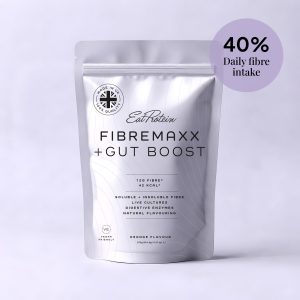
There’s a reason we think about protein and digestion together. For many women, switching to a higher-protein diet raises questions about how their gut will respond — and it’s a fair concern. The source and quality of your protein matters, and supporting your digestive system alongside your protein intake makes the whole picture work better.
This is especially relevant if you use protein powder as part of your routine. Some formulations can be hard on digestion, leading to bloating or discomfort that defeats the purpose of the protein in the first place.
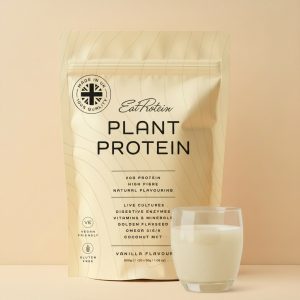
EatProtein’s Vegan Protein is formulated with prebiotic fibre, live cultures, and digestive enzymes — designed to support your gut while delivering the protein your body needs. Because good nutrition shouldn’t come with digestive compromise.
If you’re interested in the broader relationship between what you eat and how your gut functions, our guide to gut health foods is a useful companion read.
The Collagen Factor
Collagen deserves a separate mention because it’s the protein most directly linked to the things women notice first — skin elasticity, hair strength, nail quality, and joint comfort. Your body’s natural collagen production starts declining from your mid-twenties, and that decline steepens after menopause.
While eating enough total protein supports collagen synthesis, supplementing with collagen peptides gives your body the specific amino acids — glycine, proline, and hydroxyproline — that are the building blocks of collagen tissue. It’s not a magic fix, but the research on supplemental collagen for skin hydration, joint comfort, and bone support is growing and encouraging.
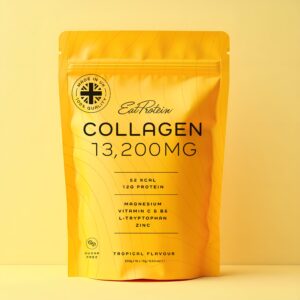
Our Protein Wafers are one of the simplest ways to combine protein and collagen — up to 15g of protein alongside 6,000mg of collagen in every serving. And our Bovine Collagen range offers a dedicated option if collagen is a priority for you.
For a deeper look at the collagen-protein relationship, especially during hormonal transitions, our protein wafers and collagen guide is worth exploring.
Practical Tips for Getting More Protein Every Day
You don’t need to overhaul your diet. Small, consistent shifts make the biggest difference over time.
- Audit your breakfast. If it’s mostly carbohydrates, add a protein source — even something as simple as a boiled egg, a handful of nuts, or swapping regular yoghurt for Greek yoghurt.
- Keep protein snacks within reach. The best snack is the one you actually have with you. Stock your desk, your bag, and your kitchen with options that don’t require preparation.
- Front-load your day. Try to get at least 20g of protein at breakfast and lunch. This takes the pressure off dinner and keeps your energy more stable throughout the afternoon.
- Think about protein at every eating occasion. Not just meals — snacks count too. Two protein-rich snacks can add 20–30g to your daily total without any extra effort at mealtimes.
- Don’t ignore plant-based sources. Beans, lentils, chickpeas, tofu, edamame, and nuts all contribute meaningful protein. Variety keeps things interesting and supports your gut health at the same time.
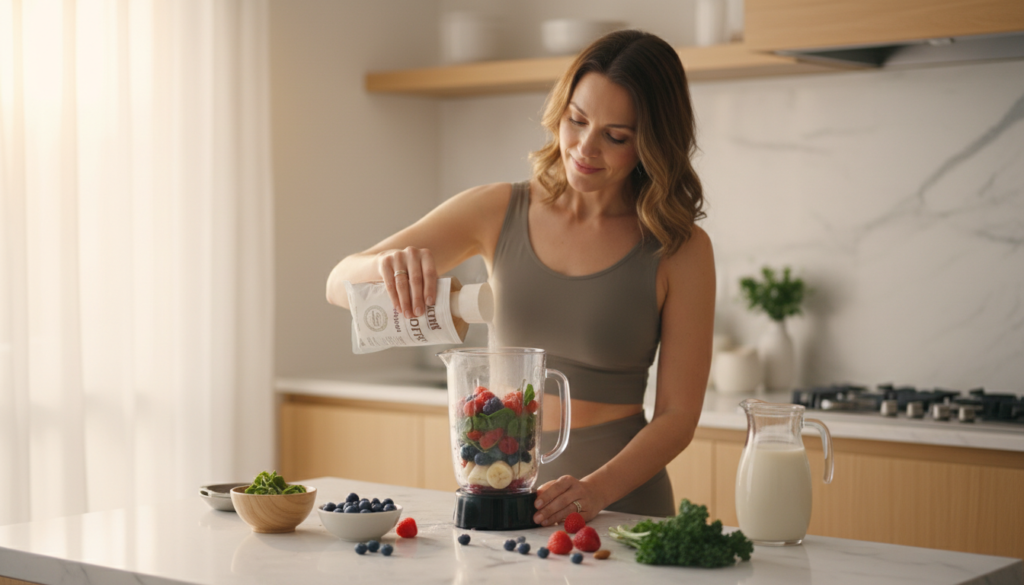
- Use protein powder strategically. A scoop in your morning smoothie, your porridge, or even baking can add 20g+ of protein without changing your routine.
You Deserve to Prioritise This
Women are extraordinarily good at looking after everyone else. Meals get planned around what the family wants. Snacks are whatever’s quickest. Your own nutrition ends up being the thing that gives when time runs short.
But protein isn’t a luxury — it’s the foundation of your energy, your strength, your resilience, and your long-term health. Every stage of your life benefits from it, and no stage of your life is too late to start paying attention to it.
You don’t need to become someone who weighs every meal or tracks every gram. You just need to make protein a conscious part of your day — at meals and between them — and choose sources that fit your life, your taste, and your values.
EatProtein’s full range is designed for women who want nutrition that works as hard as they do. From Vegan Protein with gut support to protein snacks that genuinely taste good — everything is made to help you prioritise yourself without the compromise.
Ready to close the protein gap? Explore our full snack range and find the easiest way to get more protein into your day — starting today.
References
- British Nutrition Foundation. (2023). Protein. British Nutrition Foundation. View source
- Jäger, R., Kerksick, C. M., Campbell, B. I., Cribb, P. J., Wells, S. D., Skwiat, T. M., … & Antonio, J. (2017). International Society of Sports Nutrition position stand: protein and exercise. Journal of the International Society of Sports Nutrition. View source
- Cuevas-Sierra, A., Ramos-Lopez, O., Riezu-Boj, J. I., Milagro, F. I., & Martinez, J. A. (2019). Diet, gut microbiota, and obesity: Links with host genetics and epigenetics and potential applications. Advances in Nutrition. View source
- Ceglia, L., & Harris, S. S. (2013). Vitamin D and its role in skeletal muscle. Calcified Tissue International. View source
- Bonjour, J. P. (2005). Dietary protein: an essential nutrient for bone health. Journal of the American College of Nutrition. View source
- Maltais, M. L., Desroches, J., & Dionne, I. J. (2009). Changes in muscle mass and strength after menopause. Journal of Musculoskeletal and Neuronal Interactions. View source
- Prokopidis, K., Cervo, M. M., Gandham, A., & Scott, D. (2020). Impact of protein intake in older adults with sarcopenia and obesity: A gut microbiota perspective. Nutrients. View source
- Proksch, E., Segger, D., Degwert, J., Schunck, M., Zague, V., & Oesser, S. (2014). Oral supplementation of specific collagen peptides has beneficial effects on human skin physiology: A double-blind, placebo-controlled study. Skin Pharmacology and Physiology. View source