- Bloating is one of the most common digestive complaints — and it's usually a signal, not a sentence. Understanding the cause is the first step
- Low fibre intake, dehydration, eating too quickly, and an imbalanced gut microbiome are among the most common causes of regular bloating
- Gradually increasing prebiotic fibre actually helps reduce bloating over time by supporting a healthier, more balanced microbiome
- A short adjustment period when you first start taking prebiotic fibre is normal — it usually settles within one to two weeks
- EP's Prebiotic Fibre (chicory root inulin) is designed for gentle, consistent gut support — start with a smaller serving and build up at your own pace
If you’ve ever finished a meal and felt like your stomach had other plans, you’re not alone. Bloating is one of the most common digestive complaints in the UK — and one of the most frustrating, because it can feel like it comes out of nowhere.
The good news? Bloating is almost always manageable once you understand what’s behind it. It’s not something you just have to put up with. It’s your body giving you a signal — and learning to read that signal is the first step toward feeling more comfortable in your own skin.
Here’s a clear, honest look at the most common causes of bloating and what actually helps.
What Is Bloating, Really?
Bloating is that feeling of fullness, tightness, or swelling in your abdomen — often accompanied by visible distension (your stomach looking or feeling larger than usual). It happens when gas builds up in your digestive system, or when the muscles in your gut aren’t moving things through as smoothly as they should.
It’s worth saying upfront: bloating is incredibly common. Research suggests that up to one in three adults in the UK experience it regularly. It affects people of all ages, all body types, and all diets. But just because it’s common doesn’t mean you have to accept it. Understanding the why is what gives you the power to do something about it.
The Most Common Causes of Bloating
There’s rarely a single culprit. Bloating is usually the result of a combination of factors — some dietary, some lifestyle-related, some hormonal. Here are the ones worth looking at first.
1. Not Eating Enough Fibre
This one might surprise you. Many people assume fibre causes bloating, so they avoid it. But consistently low fibre intake is actually one of the most common reasons for sluggish digestion and trapped gas. Without enough fibre, food moves through your digestive system more slowly, giving bacteria more time to ferment it and produce gas.
Most UK adults eat around 18g of fibre per day — well short of the recommended 30g. That gap has a direct impact on how efficiently your gut works. If you’re not sure where your intake stands, our guide on how to get more fibre is a good place to start.
2. An Imbalanced Gut Microbiome
Your gut is home to trillions of bacteria, and when the balance tips — too few beneficial species, too many less helpful ones — digestion suffers. An imbalanced microbiome can lead to excessive gas production, slower motility, and that heavy, uncomfortable feeling after eating.
Stress, a diet low in fibre and plant diversity, antibiotic use, and poor sleep can all throw the balance off. The good news is that the microbiome is remarkably responsive to your daily habits — which means it can be supported and restored. If you’re curious about what an out-of-balance gut looks like, our guide on signs of an unhealthy gut covers the key indicators.
3. Eating Too Quickly
When you eat fast, you swallow more air — and that air has to go somewhere. You also give your digestive enzymes less time to do their job, which means food arrives in your gut only partially broken down. Your gut bacteria then have to work harder to process it, producing more gas in the process.
It sounds simple, but slowing down and chewing thoroughly is one of the most effective things you can do to reduce bloating. Your gut will thank you.
4. Dehydration
Water is essential for digestion. It helps dissolve fibre, keeps things moving through your intestines, and supports the mucosal lining of your gut. When you’re not drinking enough, your body compensates by drawing water from your digestive tract — leading to slower transit, harder stools, and yes, bloating.
Most adults need around 1.5 to 2 litres of water per day, more if you’re active or it’s warm. If you’re increasing your fibre intake (which you should be), hydration becomes even more important.
5. Food Sensitivities
Some people bloat after eating specific foods — commonly dairy, gluten, certain FODMAPs (fermentable carbohydrates), or foods high in sugar alcohols. This doesn’t necessarily mean you have an intolerance. It often means your gut bacteria aren’t well-equipped to handle those particular foods right now.
If you notice a pattern — the same foods consistently causing discomfort — it’s worth speaking to a healthcare professional. A food diary can be a genuinely useful tool for spotting triggers.
6. Stress and the Gut-Brain Connection
Your gut and your brain are in constant conversation via the vagus nerve. When you’re stressed, anxious, or overwhelmed, your body diverts resources away from digestion and toward your fight-or-flight response. The result? Slower gut motility, increased gas production, and bloating.
This isn’t just in your head — it’s measurable, physical, and very real. Managing stress through movement, sleep, and simple practices like deep breathing genuinely supports your digestive health.
7. Hormonal Changes
If you notice bloating worsens at certain points in your cycle, you’re not imagining it. Fluctuations in oestrogen and progesterone affect how your gut processes food, how much water your body retains, and how quickly things move through your digestive system. Bloating in the days leading up to your period is extremely common and completely normal.
While you can’t change your hormonal cycle, understanding the connection means you can be kinder to yourself during those times — and support your gut with extra hydration, gentle fibre, and stress management.
The Fibre Paradox: Why the Thing You Think Causes Bloating Actually Fixes It
This is one of the most important things to understand about bloating, and it’s the reason so many people get stuck in a cycle they can’t break.
Here’s the pattern: you notice bloating, so you cut back on fibre-rich foods. Digestion slows down. Bloating gets worse. You cut back even more. The cycle deepens.
The truth is that consistently eating prebiotic fibre actually reduces bloating over time. Here’s why: prebiotic fibre feeds the beneficial bacteria in your gut — the ones responsible for smooth, efficient digestion. When those bacteria are well-fed and thriving, they produce short-chain fatty acids (SCFAs) that nourish your gut lining, reduce inflammation, and support regular, comfortable digestion.
In other words, the very thing many people avoid is exactly what their gut needs to function well.
But — and this is the part that matters — honesty about the adjustment period is important.
When you first increase your fibre intake, especially if your gut isn’t used to it, there can be a temporary uptick in gas and bloating. This happens because your gut bacteria are responding to a new food source. They’re fermenting the fibre, and that fermentation produces gas. It’s a sign that things are changing — not a sign that fibre doesn’t work for you.
This adjustment period usually lasts one to two weeks. After that, as your microbiome adapts and the beneficial bacteria multiply, most people notice a genuine reduction in bloating — often better than where they started.
The key is to start gradually. Don’t jump from 15g of fibre a day to 35g overnight. Increase slowly, drink plenty of water, and give your gut time to adjust. For more on how chicory root inulin works as a prebiotic fibre — and why it’s one of the most researched options — our dedicated guide explains it in detail.
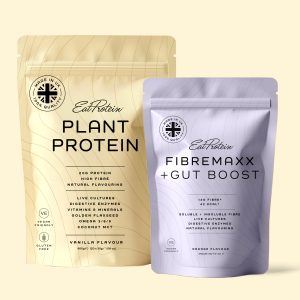
EatProtein’s Prebiotic Fibre is made from chicory root inulin — a gentle, well-researched prebiotic that feeds your gut bacteria consistently. No artificial sweeteners, no unnecessary additives, UK-made. Start with a smaller serving and build up at your own pace. Your gut will tell you when it’s ready for more.
What Actually Helps Reduce Bloating
Now for the practical part. These aren’t overnight fixes — they’re daily habits that, when combined, make a real and lasting difference.
Gradually Increase Your Fibre Intake
Aim for the recommended 30g per day, but get there slowly. Add one extra serving of fibre-rich food or a small scoop of prebiotic fibre daily and build from there. Include a variety of sources — oats, bananas, garlic, onions, leeks, asparagus, and beans all contribute prebiotic fibre that supports your microbiome. Our guide on how to get more fibre has plenty of practical ideas.
Support Your Microbiome with Prebiotics
Fibre in general helps digestion, but prebiotic fibre specifically targets the beneficial bacteria in your gut. It’s the most direct way to support a healthier, more balanced microbiome — which in turn supports smoother digestion and less bloating. If you’re not sure about the difference between prebiotics and probiotics, our prebiotics vs probiotics guide explains how they work together.
Stay Properly Hydrated
Water and fibre work as a team. Fibre absorbs water and forms a gel-like substance that moves smoothly through your digestive system. Without enough water, fibre can actually slow things down. Aim for at least 1.5 to 2 litres per day, and increase if you’re upping your fibre intake.
Eat Slowly and Mindfully
Put your fork down between bites. Chew thoroughly. Give your brain time to register fullness. This reduces the amount of air you swallow and gives your digestive enzymes a head start on breaking down food. It’s free, it’s effective, and it makes your meals more enjoyable, too.
Move Your Body
Even gentle movement — a walk after dinner, a morning stretch, some yoga — stimulates your gut muscles and helps move gas through your system. You don’t need an intense workout. Consistent, gentle movement is one of the most underrated tools for digestive comfort.
Manage Stress
Easier said than done, but even small habits make a difference. Deep breathing before meals, a short walk outside, limiting screen time before bed — these things support your nervous system, which in turn supports your gut. The gut-brain connection is real, and calming one calms the other.
Consider Your Wider Gut Health
Bloating rarely exists in isolation. If you’re also experiencing skin issues, low energy, poor sleep, or frequent illness, your gut health may need broader attention. Our guide on gut health foods covers the best dietary choices for supporting your microbiome from multiple angles — and the gut-skin connection explains why what’s happening in your gut often shows up on your skin.
Building a Gut-Friendly Routine
The best approach to bloating isn’t a quick fix — it’s a daily routine that supports your gut consistently. Here’s what that might look like:
- Morning — start your day with a glass of water and a fibre-rich breakfast. Oats with banana, or a smoothie with a scoop of prebiotic fibre, sets the tone for the day
- Meals — eat slowly, include a variety of vegetables and whole foods, and don’t skip meals. Regular eating patterns support regular digestion
- Between meals — stay hydrated. Herbal teas, water with lemon, or simply keeping a water bottle on your desk all count
- Evening — a short walk after dinner, even ten minutes, can make a noticeable difference to how comfortable you feel before bed
- Daily — a consistent source of prebiotic fibre. Whether from food, a supplement, or both — consistency is what your gut bacteria need to thrive
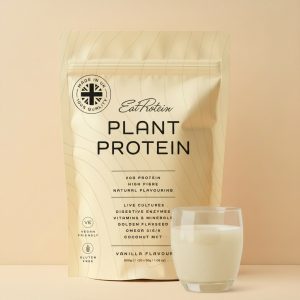
EatProtein’s Vegan Protein contains prebiotic fibre, live cultures, and digestive enzymes — all designed to work together for comfortable, supported digestion. It’s gut-friendly nutrition built into your daily shake.
When to See a Professional
Most bloating is manageable with the changes outlined above. But it’s worth speaking to your GP if bloating is persistent, severe, or accompanied by unexplained weight loss, blood in your stool, or persistent pain. If you’ve made dietary and lifestyle changes and seen no improvement after several weeks, a healthcare professional can help rule out anything that needs specific attention.
The Bottom Line
Bloating is uncomfortable, but it’s rarely mysterious. In most cases, it’s your gut telling you it needs something — more fibre, more water, more balance, more consistency. The causes are well understood, and the solutions are practical, affordable, and within your control.
The most important shift is this: instead of avoiding the things your gut needs (especially fibre), start giving it those things — gradually, consistently, and with patience. Your microbiome will adapt. Your digestion will improve. And that heavy, uncomfortable feeling will become the exception rather than the rule.
It’s not about perfection. It’s about showing up for your gut, one small choice at a time.
Ready to give your gut the support it’s been asking for? Explore EatProtein’s Prebiotic Fibre — chicory root inulin, no artificial sweeteners, designed for gentle, daily gut support. Or try our Vegan Protein with prebiotic fibre, live cultures, and digestive enzymes built in.
References
- Lacy, B.E., Cangemi, D., & Vazquez-Roque, M. (2021). Management of chronic abdominal distension and bloating. Clinical Gastroenterology and Hepatology, 19(2):219–231. View source
- Seo, A.Y., Kim, N., & Oh, D.H. (2013). Abdominal bloating: pathophysiology and treatment. Journal of Neurogastroenterology and Motility, 19(4):433–453. View source
- Bharucha, A.E., & Lacy, B.E. (2020). Mechanisms, evaluation, and management of chronic constipation. Gastroenterology, 158(5):1232–1249. View source
- NHS. (2022). How to get more fibre into your diet. NHS.uk. View source
- Enck, P., Aziz, Q., Barbara, G., et al. (2016). Irritable bowel syndrome. Nature Reviews Disease Primers, 2:16014. View source
- Konturek, P.C., Brzozowski, T., & Konturek, S.J. (2011). Stress and the gut: pathophysiology, clinical consequences, diagnostic approach and treatment options. Journal of Physiology and Pharmacology, 62(6):591–599. View source
- Dahl, W.J., Zank, L., & Auger, J. (2017). Effect of consumption of chicory inulin on bowel function in healthy subjects with constipation. International Journal of Food Sciences and Nutrition. View source