Your body is constantly talking to you. The trouble is, most of us aren’t great at listening — especially when the messages are coming from our gut.
Bloating after meals. Feeling drained by 3pm. Skin that’s suddenly decided to misbehave. A mood that dips for no obvious reason. These might seem like separate, unrelated issues. But more often than not, they’re connected — and your gut is the common thread.
Your digestive system does far more than process food. It houses a substantial proportion of your immune cells — with gut-associated lymphoid tissue (GALT) estimated to account for around 70% of immune activity in some studies — and produces the majority of your body’s serotonin, and is home to trillions of bacteria that influence everything from your energy levels to your complexion. When that ecosystem is out of balance, the effects ripple outward in ways you might not expect.
Here are the signs of an unhealthy gut to watch for — and, more importantly, what you can do about them.
Signs of Poor Gut Health
An imbalanced gut microbiome doesn’t always announce itself with dramatic digestive distress. Sometimes the signs are subtle, slow to build, and easy to dismiss as “just how things are.” If several of the following sound familiar, your gut might be asking for a little more attention.
1. Persistent Bloating
Occasional bloating after a large meal is normal. But if you feel bloated regularly — particularly after eating foods that never used to bother you — it could indicate that your gut bacteria are struggling to break down certain foods efficiently. An imbalanced microbiome can produce excess gas during fermentation, leaving you feeling uncomfortable and puffy well after eating.
2. Irregular Digestion
Constipation, diarrhoea, or an unpredictable pattern of both can signal that your gut isn’t functioning as smoothly as it should. A healthy, diverse microbiome supports regular, comfortable digestion. When the balance tips — fewer beneficial bacteria, more of the less helpful kind — things can become inconsistent. If your digestion feels like a guessing game, it’s worth considering what’s happening beneath the surface.
3. Fatigue and Low Energy
You’re sleeping enough (or trying to), but you still feel tired. Sound familiar? Your gut plays a direct role in how well you absorb nutrients from food. When your microbiome is out of balance, nutrient absorption can suffer — meaning you might not be getting the full benefit of what you eat. Your gut also influences serotonin production and sleep-regulating hormones, so poor gut health can affect your energy from multiple angles.
4. Sugar Cravings
Craving something sweet after every meal isn’t just a willpower issue. Certain types of gut bacteria thrive on sugar, and when they dominate your microbiome, they can quite literally influence your cravings to keep their fuel supply coming. It’s a cycle: more sugar feeds the bacteria that want more sugar. Supporting the growth of beneficial bacteria — particularly with prebiotic fibre — can help shift the balance and ease those persistent cravings over time.
5. Skin Issues
Breakouts, redness, dullness, eczema flare-ups — when your skin starts acting up without an obvious external cause, your gut is one of the first places worth looking. Researchers call this the gut-skin axis — a direct communication pathway between your digestive system and your skin. When gut bacteria are out of balance, it can trigger low-grade inflammation that shows up visibly on your face and body. Many people find that improving their gut health has a noticeable knock-on effect on their complexion.
6. Mood Changes
Your gut produces around 90% of your body’s serotonin — the neurotransmitter most associated with feelings of wellbeing and calm. It’s why scientists refer to the gut as your “second brain.” When your microbiome is disrupted, serotonin production can be affected, potentially contributing to feelings of anxiety, low mood, or emotional flatness. If your mood has shifted and you can’t pinpoint why, your gut health is worth considering as part of the picture.
7. New Food Sensitivities
Finding that foods you’ve always eaten comfortably are now causing discomfort? New food sensitivities can develop when the lining of your gut becomes compromised. A healthy gut barrier acts as a selective gatekeeper — letting nutrients through while keeping larger, partially digested food particles out. When that barrier weakens, your immune system may react to foods it previously tolerated without issue, leading to bloating, cramps, or other symptoms after eating.
8. Getting Ill More Often
If you seem to catch every cold going, or take longer than usual to recover, your gut could be a factor. With a large proportion of your immune cells located in your digestive tract (gut-associated lymphoid tissue is estimated to represent around 70% of immune activity, though precise figures vary across studies), the health of your microbiome directly influences how effectively your body defends itself. A diverse, well-supported gut microbiome helps train your immune system to respond appropriately — and an imbalanced one can leave you more vulnerable.
How to Improve Gut Health
The good news? Your gut microbiome is remarkably responsive. Research shows that changes to diet and lifestyle can begin shifting the balance of your gut bacteria within just a few days. Lasting improvements take longer — think weeks to months of consistent, daily support — but you don’t need a complete life overhaul to get started. Small, sustainable changes add up.
Here’s where to focus.
Eat More Fibre — Especially Prebiotic Fibre
Fibre is the single most important nutrient for your gut bacteria. And most of us aren’t getting nearly enough. The NHS recommends 30g of fibre daily, but the average UK adult manages around 18g — barely more than half.
Not all fibre is equal when it comes to gut health. Prebiotic fibre — the type found in chicory root, garlic, onions, leeks, oats, and bananas — specifically feeds the beneficial bacteria in your gut, helping them multiply and crowd out less helpful microbes. It’s not just about keeping things moving (though it helps with that too). Prebiotic fibre actively shapes the composition of your microbiome.
If you’re wondering how prebiotics differ from probiotics and why both matter, we’ve covered that in depth. The short version: prebiotics feed the good bacteria you already have, while probiotics add new beneficial bacteria. For the best results, you want both.
Increasing your fibre intake doesn’t need to be complicated. Start by adding more vegetables, whole grains, legumes, and fruits to your meals. If you’d like a practical guide, our article on how to get more fibre has plenty of everyday ideas.
EatProtein’s Prebiotic Fibre is made from chicory root inulin — one of the most researched prebiotic fibres, and the richest natural source of inulin. It’s UK-made, contains no artificial sweeteners, and mixes easily into any drink, smoothie, or yoghurt. A simple way to bridge the fibre gap and give your gut bacteria consistent daily fuel. Want to know more about what makes chicory root fibre so effective? We’ve written the full guide.
Include Fermented Foods
Fermented foods contain live beneficial bacteria — natural probiotics that add to the diversity of your gut microbiome. The more diverse your microbiome, the more resilient it tends to be.
Good options to include regularly:
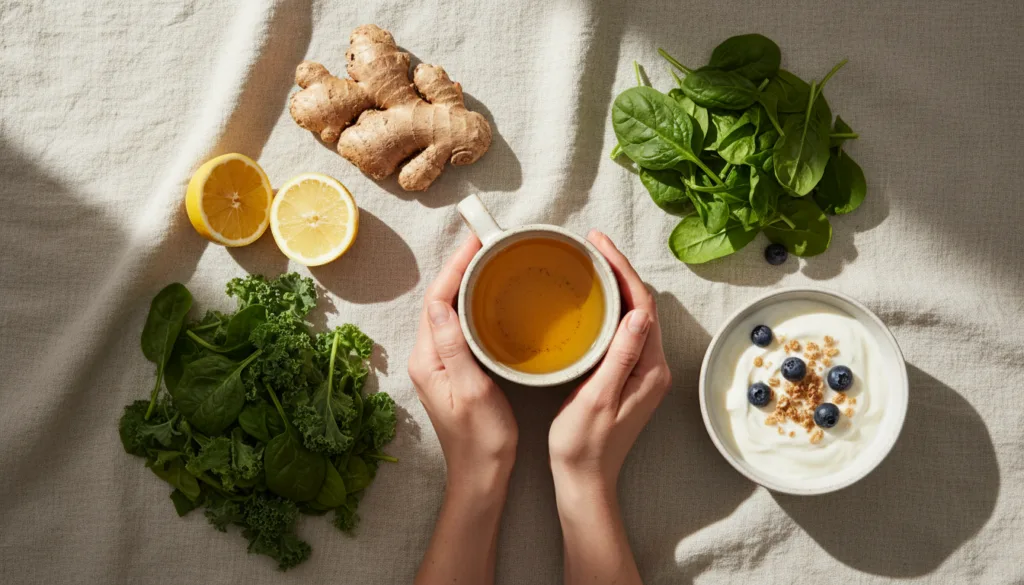
- Live yoghurt — look for labels that say “contains live cultures” rather than just “made with” them
- Kefir — a fermented milk drink that’s rich in a wide variety of bacterial strains
- Kimchi and sauerkraut — fermented vegetables that also deliver fibre alongside their probiotic benefits
- Miso — easy to add to soups, dressings, and marinades
- Kombucha — a fermented tea that’s become widely available and makes a great alternative to sugary drinks
You don’t need to eat all of these. Even adding one or two fermented foods to your weekly routine can make a difference. For a broader look at the best foods for your microbiome, our gut health foods guide covers everything from prebiotic-rich vegetables to the best fermented options.
Prioritise Whole Foods Over Ultra-Processed Ones
Ultra-processed foods — the kind built from long ingredient lists of refined sugars, emulsifiers, artificial sweeteners, and preservatives — can negatively affect your gut bacteria. Research suggests that diets high in ultra-processed foods are associated with reduced microbiome diversity, which is the opposite of what you want.
This isn’t about perfection or cutting out everything you enjoy. It’s about tilting the balance. When you can, choose whole foods: vegetables, fruits, whole grains, nuts, seeds, legumes, and quality protein sources. The more variety, the better — different plant foods feed different strains of gut bacteria, so a colourful, varied plate is one of the simplest things you can do for your microbiome.
Stay Hydrated
Water doesn’t get the glamorous headlines, but it plays a genuinely important role in gut health. Adequate hydration supports the mucosal lining of your intestines — the protective barrier that keeps your gut functioning properly. It also helps fibre do its job. Soluble fibre absorbs water to form a gel-like substance that moves smoothly through your digestive tract. Without enough water, fibre can actually make things worse rather than better.
Aim for around 1.5 to 2 litres of water daily, and more if you’re active or it’s warm. Herbal teas count too.
Manage Stress
Your gut and your brain are in constant two-way communication via the vagus nerve — what researchers call the gut-brain axis. Chronic stress disrupts this communication and can alter the composition of your gut microbiome, reduce beneficial bacteria, and increase gut permeability (sometimes called “leaky gut”).
Finding ways to manage stress isn’t a luxury — it’s a genuine part of gut health support. That might look like regular movement (even a daily walk makes a difference), breathing exercises, time in nature, journaling, or whatever helps you decompress. The specific method matters less than actually doing it consistently.
Prioritise Sleep
Your gut microbiome follows a circadian rhythm, just like you do. When your sleep is disrupted — whether through irregular schedules, late nights, or poor sleep quality — your gut bacteria feel it too. Research has linked poor sleep patterns to reduced microbiome diversity and increased markers of inflammation.
Aim for 7–9 hours of quality sleep per night. A consistent bedtime, a cool and dark bedroom, and limiting screens before bed are simple changes that support both your sleep and your gut.
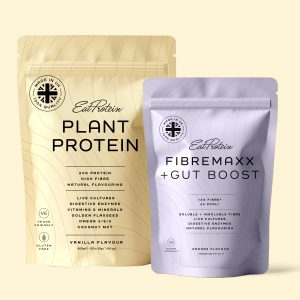
Looking for a way to support your gut as part of your daily routine? EatProtein’s Vegan Protein combines plant protein with prebiotic fibre (chicory root inulin), live cultures, and digestive enzymes — gut support built into a shake you’re already enjoying. It’s the synbiotic approach, simplified.
How Long Does It Take to Improve Gut Health?
Your microbiome is dynamic — it responds to what you eat and how you live. Studies show that dietary changes can begin shifting the composition of your gut bacteria within as little as two to four days. But don’t expect overnight transformation. Meaningful, lasting changes to your microbiome take time.
A realistic timeline looks something like this:
- 1–2 weeks — you may notice improvements in bloating, comfort, and regularity as your gut adjusts to more fibre and whole foods
- 4–6 weeks — with consistent changes, many people report better energy, clearer skin, and more stable digestion
- 3+ months — deeper shifts in microbiome diversity and resilience, with lasting improvements to immune function and overall wellbeing
The key word is consistent. A one-week gut health blitz followed by a return to old habits won’t create lasting change. Daily, sustainable choices — even small ones — are what truly reshape your microbiome over time.
Building a Simple Gut Health Routine
Improving your gut health doesn’t require a complicated protocol or a shelf full of supplements. It’s about building a few supportive habits into your daily life and sticking with them. Here’s what that might look like:
- Morning — a serving of EatProtein’s Vegan Protein in a smoothie or with water. Protein, prebiotic fibre, live cultures, and digestive enzymes in one shake.
- Meals — build your plate around whole foods. Include a variety of vegetables, whole grains, and plant-based fibre sources. Add fermented foods where you can — live yoghurt with breakfast, kimchi with lunch, miso in your evening cooking.
- Any time — stir a serving of EatProtein’s Prebiotic Fibre into a drink, smoothie, or yoghurt. It’s virtually tasteless and an easy way to close the fibre gap.
- Daily habits — stay hydrated, move your body, manage stress in whatever way works for you, and protect your sleep.
That’s it. No dramatic diet overhaul. No expensive regime. Just small, daily choices that add up to something genuinely meaningful for your gut — and for how you feel every day.
Ready to start supporting your gut? EatProtein’s Prebiotic Fibre and Vegan Protein give you prebiotic fibre, live cultures, and digestive enzymes — everything your microbiome needs to thrive, built into your daily routine.
Your gut is always talking. The signs are there — bloating, fatigue, skin changes, mood shifts, cravings, and more. The question isn’t whether your gut health matters. It’s whether you’re ready to start listening and giving it what it needs.
Start small. Stay consistent. Your gut — and everything it supports — will thank you.
References
- Sender, R., Fuchs, S., & Milo, R. (2016). Revised estimates for the number of human and bacteria cells in the body. Cell, 164(3):337–340. View source
- Carabotti, M., Scirocco, A., Maselli, M.A., & Severi, C. (2015). The gut-brain axis: interactions between enteric microbiota, central and enteric nervous systems. Annals of Gastroenterology, 28(2):203–209. View source
- Clarke, G., Stilling, R.M., Kennedy, P.J., et al. (2014). Minireview: gut microbiota: the neglected endocrine organ. Molecular Endocrinology, 28(8):1221–1238. View source
- Shreiner, A.B., Kao, J.Y., & Young, V.B. (2015). The gut microbiome in health and in disease. Current Opinion in Gastroenterology, 31(1):69–75. View source
- NHS. (2022). How to get more fibre into your diet. NHS.uk. View source
- Konturek, P.C., Brzozowski, T., & Konturek, S.J. (2011). Stress and the gut: pathophysiology, clinical consequences, diagnostic approach and treatment options. Journal of Physiology and Pharmacology, 62(6):591–599. View source
- Benedict, C., Vogel, H., Jonas, W., et al. (2016). Gut microbiota and glucometabolic alterations in response to recurrent partial sleep deprivation in normal-weight young individuals. Molecular Metabolism, 5(12):1175–1186. View source