There’s a moment in almost every afternoon where your brain gently suggests that chocolate would be a very good idea. Maybe it’s 3pm at your desk. Maybe it’s after dinner, curled up on the sofa. Maybe it’s standing in the kitchen, deciding what to reach for before you head out the door.
That moment isn’t a weakness. It’s a preference — and a completely valid one. Chocolate is one of life’s genuine pleasures, and the idea that enjoying it somehow conflicts with looking after yourself is one of the most tired narratives in wellness.
Protein chocolate exists precisely because those two things — indulgence and nutrition — were never actually at odds. Here’s what it is, why it works, and how to find one that genuinely deserves a place in your day.
What Is Protein Chocolate?
Protein chocolate is exactly what it sounds like: chocolate that’s been formulated to deliver a meaningful amount of protein per serving, alongside lower sugar than you’d typically find in a standard bar. The result is something that tastes like a treat but offers more substance — more satisfaction, more staying power, more of what your body can actually use.
The protein typically comes from sources like whey, milk protein, or plant-based alternatives, blended into the chocolate in a way that (when done well) doesn’t compromise the taste or texture you’d expect from proper chocolate.
What it isn’t: a compromise. The best protein chocolate doesn’t taste “healthy” in that vaguely chalky, slightly-off way that puts people off functional foods. It tastes like chocolate — because it is chocolate. It just happens to be working harder for you behind the scenes.
How Protein Changes the Chocolate Experience
Adding protein to chocolate isn’t just a nutritional upgrade on paper. It genuinely changes how the experience feels — before, during, and after you eat it.
Here’s what happens when your chocolate contains a meaningful amount of protein:
- You feel satisfied, not searching. Standard chocolate can leave you wanting more almost immediately. That’s not a personal failing — it’s a blood sugar response. Protein slows digestion, which means your treat actually registers as satisfying. One serving feels like enough because it genuinely is.
- Your energy stays steady. A high-sugar chocolate bar creates a spike-and-crash cycle that often leads to reaching for another snack within the hour. Protein helps moderate that response, keeping your energy more stable and your afternoon more productive.
- It supports your daily protein goals. Most women aren’t getting enough protein as it is. When your afternoon treat contributes 10–15g towards that target, you’re not just enjoying chocolate — you’re making quiet, effortless progress towards your nutrition goals.
- The enjoyment lasts longer. There’s something about eating a treat that actually satisfies you — one you can savour rather than inhale — that makes the whole experience more pleasurable. Less rushed, more intentional, more yours.
This isn’t about making chocolate “functional” in a way that strips the joy out of it. It’s about making the joy last longer and work harder.
Why Chocolate and Protein Are a Brilliant Combination
There’s a reason protein chocolate has become one of the fastest-growing categories in high protein snacks. The pairing just makes sense — and not only from a nutritional perspective.
Chocolate is, for most people, the number one flavour they crave. It’s comforting, it’s familiar, and it triggers a genuine mood lift thanks to the compounds naturally present in cocoa — theobromine, phenylethylamine, and small amounts of serotonin precursors that genuinely do make you feel good.
Protein, meanwhile, is the macronutrient most associated with satiety and sustained energy. It helps regulate appetite hormones, supports muscle maintenance, and contributes to that quiet, steady feeling of being properly nourished rather than just temporarily full.
Put them together, and you get something genuinely useful: the indulgence you want, with the nutrition that supports you. Not one at the expense of the other. Both, at the same time, in a single moment of your day.
That’s what makes protein chocolate different from just grabbing a standard bar. It’s not about restriction or replacement — it’s about elevation. The same pleasure, doing more for you.
What to Look for in Protein Chocolate
Not all protein chocolate is created equal. Some products use the word “protein” on the label while delivering very little of it. Others pack in the protein but taste like cardboard dipped in cocoa powder. Here’s what actually matters when you’re choosing.
Protein Content
Look for at least 10g of protein per serving. Anything less and you’re essentially eating standard chocolate with a health halo. The sweet spot for most protein chocolate bars and treats is 10–20g — enough to make a meaningful contribution to your daily intake without the product tasting like a supplement.
Sugar Content
This is where many products fall short. Some “protein” chocolate bars contain almost as much sugar as their conventional counterparts, which undermines the entire point. Check the nutrition label and compare — a good protein chocolate should have noticeably less sugar per serving than a standard chocolate bar of similar size.
Taste and Texture
This one matters more than people give it credit for. If your protein chocolate doesn’t taste good enough to genuinely look forward to, you won’t eat it consistently. And consistency is the only thing that turns any nutrition choice from a one-off into a habit. The best protein chocolate should make you forget you’re eating something “functional.” It should just taste like really good chocolate.
Calorie Awareness
Protein chocolate isn’t meant to be a meal replacement — it’s a treat that does more. That means the calorie count should feel proportionate to a snack, not a main course. Look for options that sit comfortably in the 150–250 calorie range per serving, depending on the format.
The Ingredients Behind the Label
Beyond the headline numbers, glance at the ingredients list. A shorter, more recognisable list generally signals a product that’s been thoughtfully formulated rather than engineered to hit a macro target at any cost. Quality protein sources and real cocoa make a difference you can taste.
How Protein Chocolate Fits Into Your Day
One of the best things about protein chocolate is its versatility. It’s not a shake you need to blend or a meal you need to plan around. It’s ready when you are, wherever you are.
The Afternoon Pick-Me-Up
That 3pm moment when your energy dips and your concentration starts to wander? Protein chocolate is made for it. The protein helps stabilise your energy, the chocolate satisfies the craving, and you can get on with your afternoon without the crash that follows a sugary snack.
The Post-Dinner Sweet
If you’re someone who likes a little something sweet after dinner, protein chocolate is a brilliant option. It draws a line under the meal, satisfies your palate, and contributes a final boost of protein to your day — all without the sugar load of a traditional dessert.
The On-the-Go Essential
Protein chocolate bars and bites are designed to travel. Toss one in your bag, keep one in your car, stash a couple in your desk drawer. When you need something between meetings, after the school run, or before the gym, it’s there — no preparation required.
The Thoughtful Pairing
Protein chocolate also works beautifully as part of a broader snacking routine. Pair it with a handful of nuts, enjoy it alongside a coffee, or break it up over a bowl of yoghurt. It’s a treat that plays well with others — and that sits comfortably alongside other high protein snacks in your weekly rotation.
Different Forms of Protein Chocolate
Protein chocolate has evolved well beyond the classic bar format. Today, you’ll find it in several forms, each with its own appeal:
- Protein chocolate bars — the original format and still the most popular. Usually the highest protein per serving, often layered with caramel, nougat, or crispy elements for texture. Ideal for a substantial snack.
- Chocolate bites and pieces — smaller, portion-controlled treats perfect for when you want a little something sweet without committing to a full bar. Great for sharing (or not).
- Chocolate-coated snacks — think protein wafers, protein crisps, or nuts coated in protein-enriched chocolate. These offer variety in texture and are a clever way to combine chocolate with other snacking formats you already enjoy.
The variety is part of the appeal. Depending on your mood, the moment, and how much time you have, there’s a protein chocolate format that fits. The days of protein snacking meaning one flavourless bar are long gone.
The Psychology of Treats: Why Enjoyment Matters
Here’s something that often gets lost in nutrition conversations: enjoying what you eat is not a nice-to-have. It’s essential. Pleasure is a fundamental part of a sustainable, healthy relationship with food — and any approach that removes it is an approach with a built-in expiry date.
The most effective nutrition habits are the ones you actually maintain. Not for a week, not for a 30-day challenge, but as a natural, unremarkable part of your daily life. And you maintain the things you enjoy.
That’s why taste matters so much in protein chocolate. If it’s something you look forward to — something that genuinely brightens a quiet five minutes of your afternoon — you’ll keep reaching for it. Not because you “should,” but because you want to. And wanting to is infinitely more powerful than willpower.
Treating yourself well includes treating yourself, full stop. Protein chocolate is simply a way to make that daily moment of pleasure work a little harder for you — supporting your protein intake, keeping your energy steady, and fitting effortlessly into a balanced life.
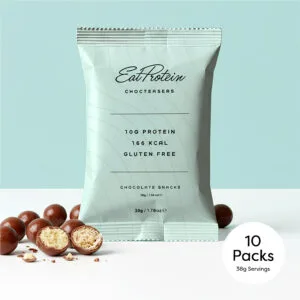
EatProtein’s Protein Chocolate delivers up to 13g of protein with low sugar, from just 162 calories. Designed for women who want their treats to taste as good as they perform — because you shouldn’t have to choose between enjoying your chocolate and supporting your goals.
Making It Part of Your Routine
The beauty of protein chocolate is that it doesn’t require a lifestyle overhaul or a new meal plan. It’s one small, enjoyable swap — choosing a treat that gives you more — and it fits into whatever your day already looks like.
- Keep it accessible. Stock your desk drawer, your handbag, or your kitchen cupboard. The easier it is to reach for, the more naturally it becomes part of your routine.
- Pair it with your existing habits. Afternoon tea? Coffee break? Post-workout moment? Protein chocolate slots in without you needing to create a new habit from scratch.
- Explore the range. Try different formats — bars, bites, coated snacks — to keep things interesting. Variety prevents monotony, and monotony is the enemy of consistency.
- Enjoy it without conditions. No rules about when you’ve “earned” it. No mental arithmetic about what you’ll need to skip later. Just a good piece of chocolate that happens to support your day.
When your treats work as hard as you do, everything gets a little simpler. You’re not choosing between what you want and what’s good for you. You’re just enjoying your chocolate — and getting on with your life.
Ready to upgrade your chocolate moment? Explore EatProtein’s Protein Chocolate range — up to 13g protein, low sugar, from just 162 calories. Designed for women who love chocolate and refuse to compromise. Browse the full protein snacks collection for even more ways to snack smarter.
References
- Leidy, H. J., Tang, M., Armstrong, C. L., Martin, C. B., & Campbell, W. W. (2011). The effects of consuming frequent, higher protein meals on appetite and satiety during weight loss in overweight/obese men. Obesity, 19(4), 818–824. View source
- Pase, M. P., Scholey, A. B., Pipingas, A., Kras, M., Nolidin, K., Gibbs, A., Wesnes, K., & Stough, C. (2013). Cocoa polyphenols enhance positive mood states but not cognitive performance: a randomized, placebo-controlled trial. Journal of Psychopharmacology, 27(5), 451–458. View source
- Stokes, T., Hector, A. J., Morton, R. W., McGlory, C., & Phillips, S. M. (2018). Recent perspectives on the role of dietary protein for the promotion of muscle hypertrophy with resistance exercise training. Nutrients, 10(2), 180. View source
- Mamerow, M. M., Mettler, J. A., English, K. L., Casperson, S. L., Arentson-Lantz, E., Sheffield-Moore, M., Layman, D. K., & Paddon-Jones, D. (2014). Dietary protein distribution positively influences 24-h muscle protein synthesis in healthy adults. The Journal of Nutrition, 144(6), 876–880. View source
- Westerterp-Plantenga, M. S. (2003). The significance of protein in food intake and body weight regulation. Current Opinion in Clinical Nutrition and Metabolic Care, 6(6), 635–638. View source