There’s a moment — somewhere between your third lumpy, flavourless protein shake and the one that finally tastes like something you’d actually choose to drink — where everything clicks. The ratio feels right. The texture is smooth. You actually look forward to it.
That’s not luck. It’s technique. And the good news is, it’s ridiculously simple once you know what you’re doing.
Whether you’re new to protein shakes or you’ve been making them for years and want to level up, this is your complete guide. The basics, the add-ins, the mistakes to avoid, and a handful of recipes that genuinely taste as good as they sound.
The Foundation: What Goes Into a Protein Shake
Every great protein shake has three layers:
- A liquid base — water, milk, or plant milk
- Protein powder — your main ingredient
- Add-ins — the extras that take it from functional to genuinely delicious
That’s it. You don’t need a degree in nutrition or a kitchen full of equipment. You need a good protein powder, a liquid you enjoy, and a few extras that match your taste. Everything else is refinement — and refinement is the fun part.
Choosing Your Liquid Base
The liquid you choose changes everything about your shake — the flavour, the texture, the calorie count, and how filling it feels. Here’s how each option works:
- Water — the lightest option. Keeps your shake low-calorie and lets the protein flavour come through cleanly. Perfect for post-workout when you want something refreshing, not heavy. If your protein powder tastes great with just water, that’s a sign you’ve found a good one
- Semi-skimmed milk — adds creaminess, natural sweetness, and an extra 5–6g of protein per 200ml. Makes a shake feel more like a milkshake. Brilliant for a breakfast replacement
- Oat milk — naturally sweet and creamy without dairy. One of the best plant milks for shakes because it blends smoothly and doesn’t separate. If you like a slightly thicker, more indulgent texture, this is the one
- Almond milk — light and subtly nutty, with fewer calories than oat milk. Works beautifully with chocolate and vanilla protein flavours. It does produce a thinner shake, so if you prefer something thicker, add a frozen banana
- Coconut milk — adds a gentle tropical sweetness. Lovely with fruity or vanilla protein flavours. Choose the carton version for shakes, not the tinned variety
A good rule of thumb: 200–300ml of liquid per scoop of protein. Start with 250ml and adjust from there. Too much liquid and your shake tastes diluted. Too little and it becomes thick and chalky.
Getting Your Protein Right
The protein powder is doing most of the heavy lifting here, so it matters more than anything else in your shaker.
Most protein powders deliver 20–25g of protein per scoop, which is a solid amount for a single serving. For most women, one scoop per shake is plenty — spreading your protein intake across the day is a far more effective approach than doubling up in one sitting.
What to look for in your protein powder:
- Complete amino acid profile — make sure you’re getting all the essential amino acids your body needs
- Clean ingredients — check the label for artificial sweeteners, fillers, and unnecessary additives. Fewer ingredients is almost always better
- Taste and mixability — a protein powder that clumps or tastes like cardboard will never become part of your routine, no matter how good the macros are
- Added benefits — some protein powders go beyond protein. Digestive enzymes, live cultures, and prebiotic fibre can make your daily shake work harder for your gut health too
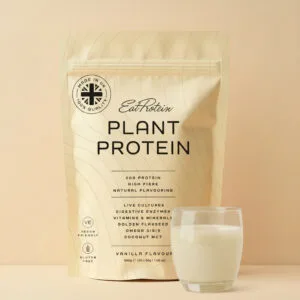
EatProtein’s Vegan Protein is designed to blend smoothly with just water or milk — no blender required. It’s made in the UK with no artificial sweeteners, and every scoop includes prebiotic fibre, live cultures, and digestive enzymes. Your protein shake, doing more than you’d expect.
Add-Ins That Boost Flavour and Nutrition
This is where your shake becomes yours. A scoop of protein and some liquid will always do the job, but the right add-ins turn a functional shake into something you genuinely crave.
- Frozen banana — the ultimate shake thickener. Adds natural sweetness and a beautifully creamy texture. Peel and slice ripe bananas, freeze them in a bag, and you’ve always got them ready
- Frozen berries — blueberries, raspberries, strawberries, or a mixed bag. They chill your shake, add a gorgeous colour, and bring antioxidants along for the ride
- Nut butter — a tablespoon of almond butter, peanut butter, or cashew butter adds healthy fats, extra protein, and a rich, indulgent depth. Pairs brilliantly with chocolate protein
- Oats — a handful of rolled oats makes your shake more filling and adds slow-release energy. Perfect for a breakfast shake. Blend well so they break down fully
- Spinach or kale — sounds odd, tastes invisible. A handful of baby spinach blends away completely, adding iron, folate, and fibre without changing the flavour. Start with spinach if you’re nervous — it’s the mildest green
- Prebiotic fibre — an easy, virtually tasteless way to boost your shake’s gut health benefits. Chicory root fibre dissolves completely and gives your gut bacteria the fuel they need to thrive. If you’re interested in the science, our prebiotics vs probiotics guide explains why this matters
- Collagen — add a scoop of collagen powder for skin, hair, nail, and joint support. It dissolves easily into any shake and doesn’t change the taste. A simple way to get your daily collagen without adding another step to your routine
- Cinnamon or cacao powder — a quarter teaspoon of cinnamon or a tablespoon of raw cacao adds warmth and richness with virtually no calories
Want to boost your shake’s gut health? EatProtein’s Prebiotic Fibre is pure chicory root inulin — no artificial sweeteners, UK-made, and virtually tasteless. Stir it into any shake for an easy fibre boost your gut bacteria will love. And for skin, hair, and joint support, a scoop of EatProtein’s Collagen blends in beautifully too.
Common Mistakes (and How to Avoid Them)
If your protein shakes haven’t been great so far, chances are one of these is the culprit:
- Adding powder before liquid. This is the number one cause of lumpy shakes. Always pour your liquid in first, then add the powder on top. The liquid needs to be there to surround and break down the powder as you shake or blend
- Too much liquid. If your shake tastes watered down and disappointing, you’ve probably gone too heavy on the liquid. Start with 200–250ml per scoop and only add more if it’s too thick for your taste. You can always add more liquid — you can’t take it away
- Not shaking long enough. A half-hearted three-second shake isn’t going to cut it. Give your shaker a proper 15–20 seconds of vigorous shaking. You’ll feel the difference in every sip
- Ignoring ice. Even in a shaker, a few ice cubes make a noticeable difference. Cold shakes just taste better
- Using warm liquid. Some protein powders don’t mix well with warm or hot liquids — they can go clumpy or change texture. Stick to cold or room-temperature liquids
- Leaving it too long after mixing. Protein shakes are best enjoyed within a few minutes of making them. Leave them sitting and they can thicken or separate. Make it, drink it, get on with your day
How to Make a Smooth Shake With Just a Shaker
You don’t need a blender to make a brilliant protein shake. A good shaker bottle and the right method will give you a smooth, lump-free shake every single time.
The method:
- Add your liquid first — pour 200–250ml into your shaker
- Add ice (optional but recommended) — 3 or 4 ice cubes chill it down and help break up the powder as you shake
- Add your protein powder — one level scoop, on top of the liquid
- Add any powdered extras — prebiotic fibre, collagen, cacao, cinnamon. They go in with the protein
- Secure the lid — seriously, check it twice. You only make that mistake once
- Shake vigorously for 15–20 seconds — proper, full-arm shaking. Up and down, not side to side
- Open, check, and enjoy — if there are still a few lumps, give it another 10 seconds
The key is the order. Liquid first, powder second. Always. A stainless steel shaker with a mixing ball gives the best results — the ball breaks up any clumps as it bounces through the liquid, keeps your shake cooler for longer, and doesn’t hold onto flavours the way plastic can.
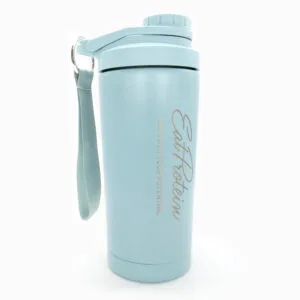
EatProtein’s Stainless Steel Shaker is designed for exactly this — a leak-proof, double-walled shaker that keeps your shake cold, blends smoothly, and looks beautiful on your desk, in the gym, or wherever your day takes you. It’s your best protein shaker upgrade.
When to Have Your Protein Shake
There’s no single “right” time to drink a protein shake. The best time is the one that fits your life, your routine, and your goals. Here’s how each window works:
- Morning / breakfast replacement — if you’re not a breakfast person or you’re short on time, a protein shake first thing is one of the easiest ways to start your day with balanced nutrition. Add oats, banana, or nut butter to make it more sustaining
- Post-workout — your muscles are primed to use protein after exercise. A shake within a couple of hours of training supports recovery and helps your body repair and build lean muscle. Research shows total daily protein intake matters more than precise timing, but getting protein in post-workout is still a smart habit. Keep this one lighter — protein, water or milk, maybe some berries
- Afternoon pick-me-up — that 3pm energy dip is real, and reaching for a protein shake instead of a sugary snack is a game-changer. The protein keeps your blood sugar stable and your energy steady right through to dinner
- Evening / dessert replacement — a chocolate protein shake made with milk and a spoonful of cacao feels indulgent enough to satisfy an after-dinner craving without the sugar crash. A simple way to get extra protein into your day
The only real rule? Consistency beats timing. A protein shake at whatever-o’clock every day will always do more for you than a perfectly timed shake you only remember once a week.
Four Simple Recipes to Get You Started
These are designed to work in a shaker or blender — no fancy equipment, no hard-to-find ingredients. Just honest, delicious shakes you can make in under two minutes.
The Everyday Classic
- 250ml oat milk
- 1 scoop EatProtein Vegan Protein (Vanilla or Chocolate)
- 1 tsp EatProtein Prebiotic Fibre
- 3–4 ice cubes
Shake for 20 seconds. Clean, simple, and perfectly balanced. This is the one you’ll come back to every single day. Great with water too if you’re keeping it light.
The Berry Glow
- 200ml almond milk
- 1 scoop EatProtein Vegan Protein (Vanilla)
- 1 scoop EatProtein Collagen
- Handful of frozen mixed berries
- 1 tsp EatProtein Prebiotic Fibre
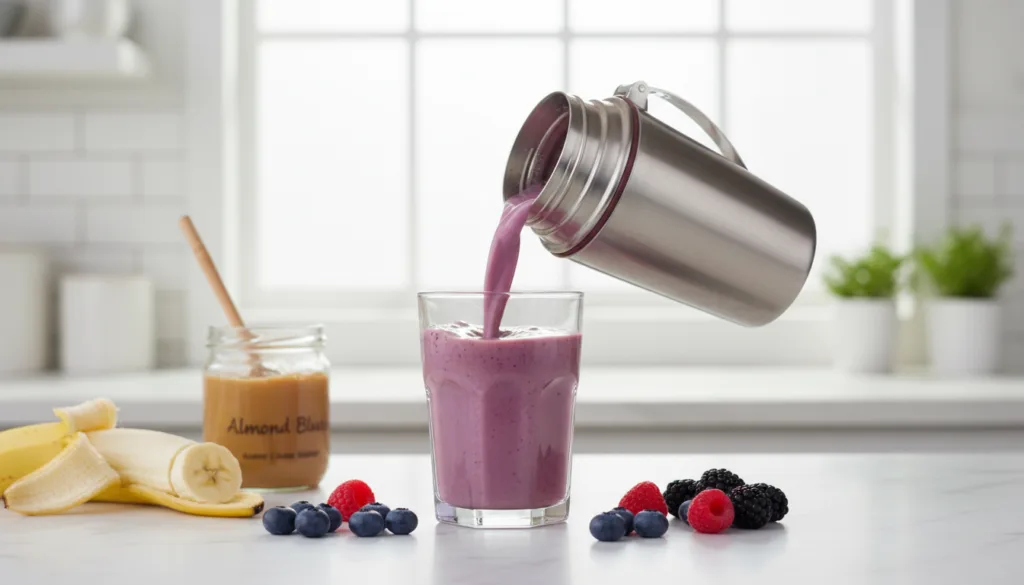
Blend until smooth (this one needs a blender for the frozen fruit). A gorgeous purple-pink shake packed with protein, collagen for your skin and joints, and prebiotic fibre for your gut. Morning fuel that makes you feel good from the inside out.
The Chocolate Peanut Butter Cup
- 250ml semi-skimmed milk (or oat milk)
- 1 scoop EatProtein Vegan Protein (Chocolate)
- 1 tbsp peanut butter
- Half a frozen banana
- Pinch of sea salt
Blend until thick and creamy. This tastes like dessert but is packed with protein, healthy fats, and natural energy. The pinch of salt lifts everything — trust the process. Brilliant as an afternoon treat or a post-dinner craving-stopper.
The Green Power Shake
- 250ml water or coconut milk
- 1 scoop EatProtein Vegan Protein (Vanilla)
- 1 tsp EatProtein Prebiotic Fibre
- Handful of baby spinach
- Half a frozen banana
- Squeeze of fresh lemon juice
Blend until smooth. The spinach disappears completely — you won’t taste it, but you’ll get the iron, folate, and fibre. The lemon brightens everything up. This is a brilliant morning shake when you want to feel properly nourished. Head to our protein shake recipes collection for more ideas like this.
Make It Yours
The best protein shake is the one you actually enjoy drinking — every day, not just when motivation is high. Start with the basics, find a flavour you love, and build from there. Add the extras that match your goals, whether that’s prebiotic fibre for gut health, collagen for your skin, or frozen fruit for pure deliciousness.
You don’t need expensive equipment or complicated recipes. You need a good protein powder, a solid shaker, and two minutes. That’s the secret.
Ready to make your perfect shake? Start with EatProtein’s Vegan Protein — no artificial sweeteners, UK-made, with live cultures and digestive enzymes in every scoop. Pair it with our Stainless Steel Shaker and you’re set. Your new daily ritual starts here.
References
- Schoenfeld, B. J., & Aragon, A. A. (2013). Nutrient timing revisited: is there a post-exercise anabolic window?. PMC / Journal of the International Society of Sports Nutrition. View source
- Schoenfeld, B. J., Aragon, A. A., & Krieger, J. W. (2013). The effect of protein timing on muscle strength and hypertrophy: a meta-analysis. PMC / Journal of the International Society of Sports Nutrition. View source
- Leidy, H. J., et al. (2013). Beneficial effects of a higher-protein breakfast on the appetitive, hormonal, and neural signals controlling energy intake regulation in overweight/obese, breakfast-skipping, late-adolescent girls. PMC / American Journal of Clinical Nutrition. View source
- Carlson-Phillips, A., & Sims, S. (2019). Practical hydration solutions for sports. PMC / Nutrients. View source
- Niness, K. R. (1999). Inulin and oligofructose: what are they?. Journal of Nutrition. Referenced in: Franck, A. (2002). Technological functionality of inulin and oligofructose. British Journal of Nutrition. View source