You’re sleeping enough — or at least you think you are — but by mid-afternoon you’re running on fumes. The coffee helps for an hour, then the slump comes back. Sound familiar?
Tiredness that doesn’t shift with sleep is often your body telling you something specific is missing. Not rest, but nutrients. And when it comes to vitamins for tiredness, there’s a lot of noise to cut through before you find what actually works.
Here’s what the evidence says, what’s worth taking, and how to stop throwing money at supplements that aren’t doing anything useful.
Why You’re Tired (and Why It Might Not Be Sleep)
Chronic tiredness in women is incredibly common — and frustratingly underexplored. The usual advice is to sleep more, stress less, and drink water. All fine in theory, but not particularly helpful when you’re already doing those things and still dragging yourself through the day.
What often gets missed is the nutritional side. Your body needs specific vitamins and minerals to produce energy at a cellular level. If you’re low in any of them, no amount of early nights will fix the problem. Your cells literally can’t make energy efficiently without the right raw materials.
This is particularly relevant for women. Menstruation, hormonal fluctuations, perimenopause, pregnancy, breastfeeding, and even just the typical dietary patterns of women in the UK mean that certain nutrient deficiencies are far more common than most people realise.
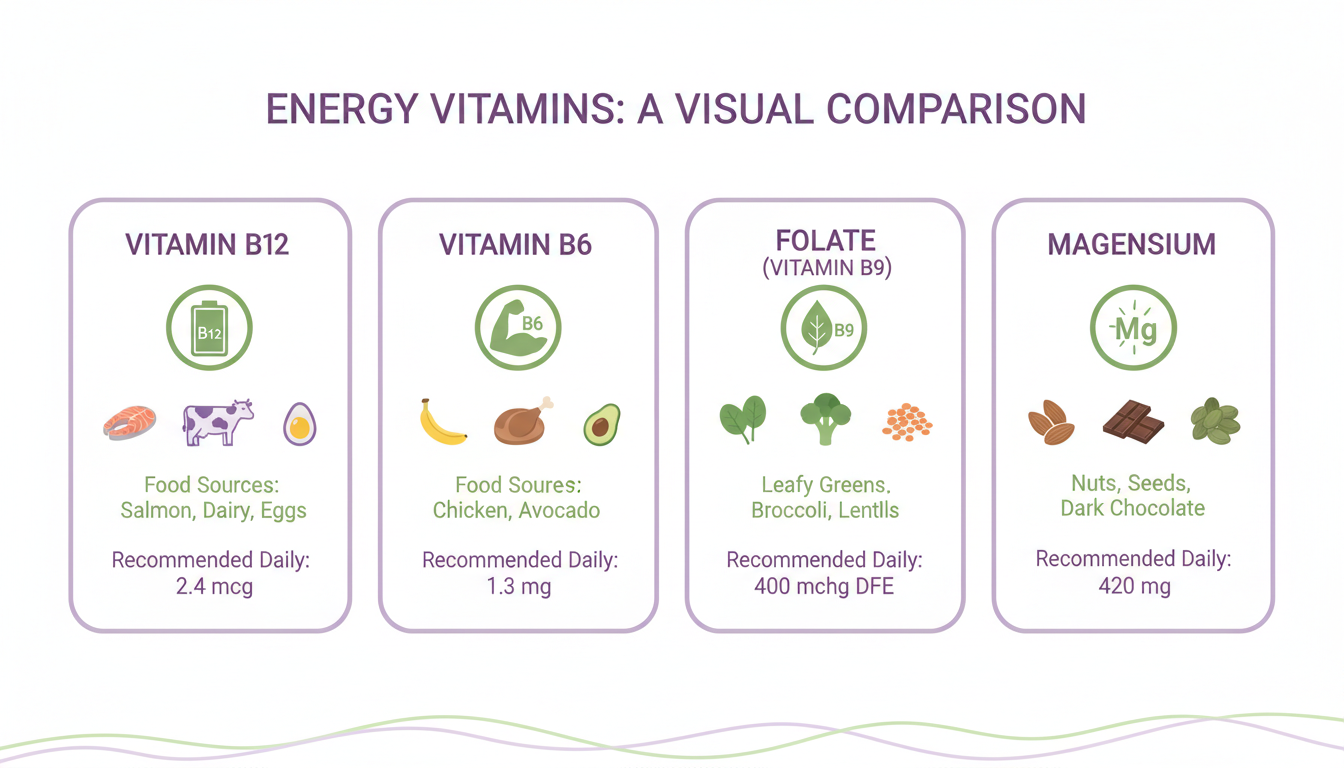
The Vitamins for Tiredness That Actually Matter
Not every vitamin claiming to “boost energy” is worth your attention. These are the ones with genuine evidence behind them — and the ones most commonly low in women.
B12 is essential for red blood cell production and neurological function. Without enough of it, your body can’t transport oxygen efficiently, which directly causes fatigue. It’s almost impossible to get adequate B12 from a plant-based diet without supplementation.
Vitamin B12
This is the big one. B12 is essential for red blood cell production and neurological function. Without enough of it, your body can’t transport oxygen efficiently, which directly causes fatigue. It’s almost impossible to get adequate B12 from a plant-based diet without supplementation, and even meat-eaters can be deficient — particularly women on restrictive diets or those with absorption issues.
Symptoms of B12 deficiency go beyond tiredness: brain fog, poor concentration, mood changes, and even tingling in the hands and feet. If any of that sounds familiar alongside the fatigue, B12 is worth investigating.
Vitamin B6
Works closely with B12 in energy metabolism. B6 helps your body convert food into usable energy and plays a role in neurotransmitter production — including serotonin, which affects mood and sleep quality. Low B6 can leave you feeling both tired and low, which is a combination that’s easy to mistake for “just being stressed.”
Folate (Vitamin B9)
Another B vitamin that works in partnership with B12. Folate is critical for cell production and repair, and it’s especially important for women of childbearing age. Deficiency causes a type of anaemia that presents as persistent, heavy fatigue — the kind where even small tasks feel like wading through treacle.
Magnesium
Involved in over 300 biochemical reactions in your body, including energy production, muscle function, and nervous system regulation. Magnesium deficiency is surprisingly common — studies suggest a significant proportion of the UK population doesn’t get enough. Symptoms include tiredness, muscle cramps, poor sleep, and irritability. It’s one of those minerals where topping up your levels can make a disproportionately noticeable difference to how you feel.
Omega-3 DHA
Not a vitamin, but worth including here because of its impact on brain function and inflammation. Low omega-3 is linked to fatigue, poor concentration, and low mood. Most women in the UK don’t get enough, particularly if they don’t eat oily fish regularly. DHA specifically supports brain health, and getting enough of it can help with that foggy, sluggish feeling that makes afternoons so difficult.
Calcium
Often thought of purely in terms of bones, but calcium also plays a role in muscle function and nerve signalling. When levels are low, your body has to work harder to maintain basic functions, which can contribute to that background feeling of tiredness that’s hard to pin down.
What About Iron and Vitamin D?
These two come up constantly in conversations about tiredness — and rightly so.
Iron deficiency is the most common nutritional deficiency in the world, and women of menstruating age are disproportionately affected. If your tiredness comes with breathlessness, pale skin, or heart palpitations, get your iron levels checked by your GP. It’s a specific enough deficiency that supplementation should be guided by a blood test rather than guesswork.
Vitamin D is essential for energy, immune function, and mood. In the UK, where sunlight is limited for much of the year, most people benefit from supplementing — the NHS recommends 10 micrograms daily through autumn and winter.
Both are important, but they’re better addressed through targeted supplementation or diet rather than relying on a protein powder to provide them. Not every product needs to include everything — what matters is that the nutrients included are the ones most commonly missing from women’s diets and that they’re present in meaningful amounts.
Why Getting These Through Your Protein Shake Makes Sense
Here’s the practical reality. You could buy B12 tablets, a separate magnesium supplement, an omega-3 capsule, and a B-complex. That’s four products, four things to remember, and probably four different times of day you’re supposed to take them.
Or you could get the most important ones built into something you’re already having every morning.
A well-formulated protein powder designed for women’s needs can cover several of these gaps in a single scoop. Not all of them — no single product should claim to do everything — but the ones that show up most consistently as deficiencies in women.
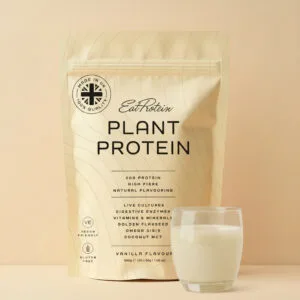
Our vegan protein includes B6, B12, and folate alongside magnesium, calcium, and omega-3 DHA. That’s not random — those are the specific nutrients that research consistently identifies as low in women, particularly those eating plant-based or reducing dairy. Combined with 20g of pea protein isolate, coconut MCT oil for sustained energy, and digestive enzymes for comfortable absorption, it’s designed to address the broader picture of why you might be feeling drained — not just one piece of the puzzle.
Supplements for Tiredness — What to Look For
If you’re shopping for individual supplements or evaluating what’s in a formula, a few things to keep in mind:
Check the form, not just the name — Magnesium oxide is cheap but poorly absorbed. Magnesium glycinate or citrate are better options. Methylcobalamin is the active form of B12 that your body can use directly, versus cyanocobalamin which needs to be converted first.
Look for meaningful doses — Some products include vitamins at levels so low they’re essentially decorative. Check whether the amount per serving represents a meaningful percentage of your daily requirement.
Be wary of mega-doses — More isn’t always better. Very high doses of B6, for example, can cause neurological issues over time. Sensible, consistent supplementation beats occasional mega-dosing every time.
Consider the delivery method — Getting nutrients through food or through a shake you’re already having is generally better than adding more pills to your routine. Compliance is the most underrated factor in supplementation — the best supplement is the one you actually take consistently. And if bloating has been putting you off protein shakes, solving that problem first makes everything else easier.
The Lifestyle Factors That Help Too
Supplements fill gaps, but they work best alongside the basics. A few things that make a genuine difference to energy levels:
Protein at breakfast — Starting the day with protein stabilises blood sugar and prevents the mid-morning crash that sends you reaching for biscuits. Even a simple protein shake with fruit makes a noticeable difference compared to toast alone.
Consistent hydration — Even mild dehydration affects concentration and energy. It’s boring advice, but it works.
Movement — It sounds counterintuitive, but regular physical activity increases energy over time. Even a 20-minute walk can shift that afternoon heaviness.
Gut health — Your gut is where nutrients are absorbed. If your digestive system isn’t working well, you could be eating perfectly and still not getting what you need. Digestive enzymes help your body break down and absorb nutrients more efficiently — which directly affects how much energy you get from the food you eat. This is why looking after your gut health matters for energy just as much as for digestion and skin.
The Bottom Line
Vitamins for tiredness aren’t a magic fix, but the right ones — taken consistently and in the right forms — can address the nutritional gaps that no amount of sleep will solve. B12, B6, folate, magnesium, omega-3, and calcium are the ones that matter most for women, and getting them through a quality plant-based protein you’re already having daily is one of the most practical approaches going.
Stop buying supplements you forget to take. Start building the nutrition into the habits you already have.
References
- NHS. (2023). Vitamin B12 or folate deficiency anaemia. NHS England. View source
- National Institutes of Health, Office of Dietary Supplements. (2024). Vitamin B12 — Health Professional Fact Sheet. View source
- Young, S. N. (2007). How to increase serotonin in the human brain without drugs. Journal of Psychiatry and Neuroscience, 32(6), 394–399. View source
- Bottiglieri, T. (2009). Folate, vitamin B12, and neuropsychiatric disorders. Nutrition Reviews, 54(12), 382–390. View source
- Boyle, N. B., Lawton, C., & Dye, L. (2017). The effects of magnesium supplementation on subjective anxiety and stress — a systematic review. Nutrients, 9(5), 429. View source
- Dyall, S. C. (2015). Long-chain omega-3 fatty acids and the brain: a review of the independent and shared effects of EPA, DPA and DHA. Frontiers in Aging Neuroscience, 7, 52. View source
- NHS. (2023). Vitamin D. NHS England. View source