Walk down the supplement aisle and you’ll notice something: protein powders marketed to women tend to come in pastel packaging with words like “lean”, “slim”, and “tone” plastered across the front. Meanwhile, the men’s versions are all dark tubs and block capitals screaming about muscle and power.
Here’s the thing — protein is protein. Your body doesn’t process it differently based on the colour of the packaging. But that doesn’t mean every protein powder for women is the same, and there are genuine reasons why certain formulas work better for women’s bodies and lifestyles.
Let’s cut through the marketing and talk about what actually matters.
Do Women Need a Different Protein Powder?
Honestly? Not in the way most brands would have you believe.
The protein itself — whether it’s whey, pea, rice, or hemp — works the same way in everyone’s body. It provides amino acids. Your muscles use them for repair and growth. Your body uses them for a hundred other processes. That bit is universal.
Where it does get more nuanced is in what surrounds the protein. Women’s nutritional needs differ in a few specific ways, and a thoughtfully formulated protein powder can address some of those without you needing to buy five separate supplements.
Protein is protein — your body doesn’t process it differently based on the colour of the packaging. But what surrounds the protein matters. Women’s nutritional needs differ in specific ways, and a thoughtfully formulated powder can address those without you needing to buy five separate supplements.
B Vitamins (B6, B12, and Folate)
These are essential for energy metabolism, nervous system function, and cell production. Folate is particularly important for women of childbearing age. B12 is one of the hardest vitamins to get from a plant-based diet. If your protein powder includes these, that’s one less thing to think about.
Calcium and Magnesium
Bone density is a bigger concern for women, particularly from your thirties onwards and through perimenopause. Calcium gets most of the attention, but magnesium is just as important — it supports bone health, sleep quality, and muscle recovery. Having both in a daily shake is genuinely practical.
Omega-3
Important for brain function, mood, and reducing inflammation. Many women don’t get enough omega-3, especially if they’re not eating oily fish regularly. A protein powder that includes DHA omega-3 is quietly filling a common gap.
Digestive Comfort
This one’s less about biology and more about experience. A lot of women report that whey protein leaves them feeling bloated or heavy. Whether that’s a lactose issue, a gut sensitivity, or just the sheer density of some formulations, it’s worth paying attention to. Digestive enzymes and live cultures in a protein formula can make a real difference here — helping your body break down and absorb protein efficiently, without the discomfort.
So no, you don’t need a “women’s protein powder” with a pink label. But you do benefit from one that’s been designed with these things in mind.
The Protein and Weight Management Question
We’re going to address this directly because it’s one of the most searched questions around protein powder for women — and it deserves a straight answer rather than vague promises.
Protein supports weight management. That’s well-established. It keeps you feeling fuller for longer, it helps maintain lean muscle when you’re in a calorie deficit, and it has a higher thermic effect than carbs or fat (meaning your body uses more energy to digest it).
But protein powder isn’t a weight loss product. It’s food. It’s a convenient way to make sure you’re getting enough protein in your diet, which plenty of women don’t — especially if you’re busy, eating on the go, or trying to reduce your meat intake.
The practical benefit is this: a shake with 20g of protein and minimal sugar can replace a mid-morning snack that would otherwise be a biscuit or a cereal bar. Over time, that shift adds up. Not because the powder has magic properties, but because you’re consistently giving your body something more useful.
If a brand is telling you their protein powder will “burn fat” or “slim you down” — that’s marketing, not nutrition. Walk away from that one.
Why So Many Women Are Switching to Plant-Based
There’s been a noticeable shift over the last few years. More women are choosing plant-based protein over whey, and it’s not just vegans driving it.
The reasons come up again and again:
Easier digestion — Plant proteins, particularly pea protein isolate, tend to be gentler on the stomach. No lactose, no dairy, less bloating. For women who’ve struggled with whey, this alone is often enough to make the switch.
Cleaner ingredient lists — Plant-based protein brands have generally been ahead of the curve on removing artificial sweeteners, colours, and unnecessary additives. The overlap between “plant-based” and “clean label” is strong.
Hormonal considerations — Some women prefer to avoid dairy due to concerns about hormones in milk production. Others steer clear of soy protein for similar reasons. A pea-based protein sidesteps both.
Gut health support — The better plant-based formulas include digestive enzymes, prebiotics, or live cultures. This is particularly relevant if you’re dealing with IBS, bloating, or general digestive sensitivity — all of which are more common in women.
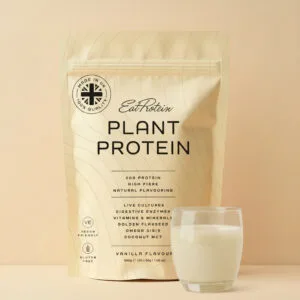
Our vegan protein was designed with exactly this in mind. Pea protein isolate as the base, five digestive enzymes and live cultures for gut comfort, prebiotic fibre from chicory root to support your microbiome, coconut MCT oil for sustained energy, omega-3 DHA, and a full spread of B vitamins including B6, B12, and folate — plus calcium and magnesium for bone and muscle support. No dairy, no soy, no artificial sweeteners. It’s the kind of formula that works quietly in the background of your day — supporting you without any of the heaviness or discomfort that puts so many people off protein shakes.
The Gut Health Connection
This deserves its own section because it’s something that genuinely affects more women than most people realise.
Bloating, IBS, and digestive sensitivity are significantly more common in women than men. Research suggests hormonal fluctuations play a role, and stress — which disproportionately affects women juggling multiple responsibilities — has a direct impact on gut health.
Adding a protein powder that makes digestive discomfort worse is the last thing you need. And unfortunately, that’s what a lot of cheaper formulas do. Artificial sweeteners like sucralose can disrupt gut bacteria. Low-quality protein sources are harder to break down. And without any digestive support built in, your system has to do all the heavy lifting on its own.
A protein powder with digestive enzymes helps your body break down the protein more efficiently — meaning better absorption and less bloating. Live cultures support the balance of beneficial bacteria in your gut. And prebiotic fibre feeds those bacteria, creating an environment where your digestive system actually works better over time, not just on the day you take it.
There’s also a connection between gut health and your skin that’s worth knowing about — how your digestion affects your glow is something we’ve written about separately, and it’s particularly relevant if you’re noticing that digestive issues and skin changes tend to show up together.
This is one of the biggest reasons women tell us they’ve stuck with our protein after trying several others. It’s not just what’s in it — it’s how it makes them feel. Comfortable, not heavy. Energised, not sluggish. That sounds simple, but if you’ve ever forced down a chalky, bloat-inducing shake, you know how much it matters.
How Much Protein Do You Actually Need?
The general recommendation for adults is 0.75g of protein per kilogram of body weight per day. That’s the bare minimum to prevent deficiency.
If you’re active — and that includes everything from regular walks and yoga to weight training and running — you’ll benefit from more. Most research suggests 1.2 to 1.6g per kilogram for active women, and up to 2g per kilogram if you’re doing serious strength training.
For a 65kg woman, that’s roughly 78 to 104g of protein per day at the active level. Getting that from food alone is absolutely doable, but it takes planning. A protein shake plugs the gap on days when your meals don’t quite get there.
It’s not about obsessing over numbers. It’s about making sure your body has what it needs to recover, maintain muscle, support your immune system, and keep your energy steady through the day.
When and How to Use It
There’s no single “right” time. It depends on your routine and what works for you:
Morning — Blended into a smoothie with fruit and oats, or just shaken with water if you’re short on time. A good way to start the day with 20g of protein rather than reaching for toast.
Post-workout — The classic. Having protein within a couple of hours of exercise supports recovery. It doesn’t need to be immediate — the “30-minute window” thing is overstated — but getting it in reasonably soon makes sense.
Afternoon — As a snack replacement. That mid-afternoon energy dip is real, and a shake with protein and MCT oil handles it better than a sugar hit that wears off in 20 minutes.
In food — Stirred into porridge, blended into pancake batter, mixed into overnight oats. Protein powder is an ingredient, not just a drink. If shakes aren’t your thing, this is an easy workaround.
What to Look for in a Protein Powder for Women
A quick checklist for finding a protein powder that genuinely works for you:
At least 20g of protein per serving — Some “women’s” protein powders drop to 10-15g and bulk up with other ingredients. That’s not enough to make a meaningful difference.
No artificial sweeteners — Sucralose and acesulfame-K are common culprits for digestive discomfort. Look for stevia or monk fruit instead.
Digestive enzymes and live cultures — If bloating has been an issue for you before, this makes a genuine difference. It’s the single biggest differentiator between a protein powder that sits well and one that doesn’t.
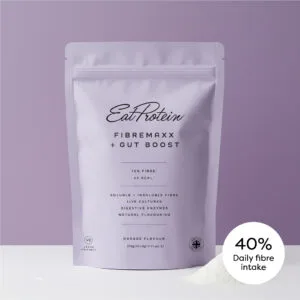
Prebiotic fibre — Supports your gut microbiome alongside live cultures. Chicory root inulin is the one to look for.
Vitamins and minerals that matter — B6, B12, folate, calcium, and magnesium are the ones that directly support women’s common nutritional gaps. Omega-3 DHA is a bonus that most people aren’t getting enough of.
Transparency — Full ingredients list, clear allergen information, no proprietary blends. If a brand won’t tell you exactly what’s in their product, that’s not the brand for you. We’ve put together a more detailed breakdown of what makes a great vegan protein powder if you want to dig deeper into label reading.
If you’re also looking for something gluten free, plant-based protein is usually the safest route — naturally free from gluten, dairy, and soy in one go.
The Bottom Line
You don’t need a protein powder with “for women” on the label. You need one that’s well-formulated, easy on your stomach, free from ingredients you’d rather avoid, and practical enough to fit into your actual life.
That might be a plant-based formula with digestive enzymes, prebiotic fibre, essential B vitamins, and omega-3. It might be something else entirely. But whatever you choose, make sure it earns its place in your routine rather than just looking pretty on the shelf.
Your body deserves better than marketing. Give it proper nutrition instead.
References
- British Nutrition Foundation. (2023). Protein. British Nutrition Foundation. View source
- Jäger, R., Kerksick, C. M., Campbell, B. I., Cribb, P. J., Wells, S. D., Skwiat, T. M., … & Antonio, J. (2017). International Society of Sports Nutrition position stand: protein and exercise. Journal of the International Society of Sports Nutrition. View source
- Sims, S. T., & Heather, A. K. (2018). Myths and methodologies: Reducing scientific design ambiguity in studies comparing sexes and/or menstrual cycle phases. Experimental Physiology. View source
- Messina, M., Lynch, H., Dickinson, J. M., & Reed, K. E. (2018). No difference between the effects of supplementing with soy protein versus animal protein on gains in muscle mass and strength in response to resistance exercise. International Journal of Sport Nutrition and Exercise Metabolism. View source
- Leidy, H. J., Clifton, P. M., Astrup, A., Wycherley, T. P., Westerterp-Plantenga, M. S., Luscombe-Marsh, N. D., Woods, S. C., & Mattes, R. D. (2015). The role of protein in weight loss and maintenance. American Journal of Clinical Nutrition. View source
- Babault, N., Paizis, C., Deley, G., Guérin-Deremaux, L., Saniez, M. H., Lefranc-Millot, C., & Allaert, F. A. (2015). Pea proteins oral supplementation promotes muscle thickness gains during resistance training: a double-blind, randomized, placebo-controlled clinical trial vs. whey protein. Journal of the International Society of Sports Nutrition. View source
- Bischoff-Ferrari, H. A., Dietrich, T., Orav, E. J., Hu, F. B., Zhang, Y., Karlson, E. W., & Dawson-Hughes, B. (2004). Higher 25-hydroxyvitamin D concentrations are associated with better lower-extremity function in both active and inactive persons aged > or =60 y. American Journal of Clinical Nutrition. View source