If you’re coeliac, gluten-intolerant, or just trying to keep gluten out of your diet, finding a genuinely gluten free protein powder can feel like a bit of a minefield. Some brands shout “gluten free” on the front of the pack while burying “may contain wheat” in the small print. Others don’t mention it at all, leaving you to guess.
It shouldn’t be this complicated. So let’s break it down — what actually makes a protein powder gluten free, which types are naturally safe, and what to watch out for on the label.
Is Protein Powder Gluten Free?
The short answer: it depends entirely on the type and how it’s made.
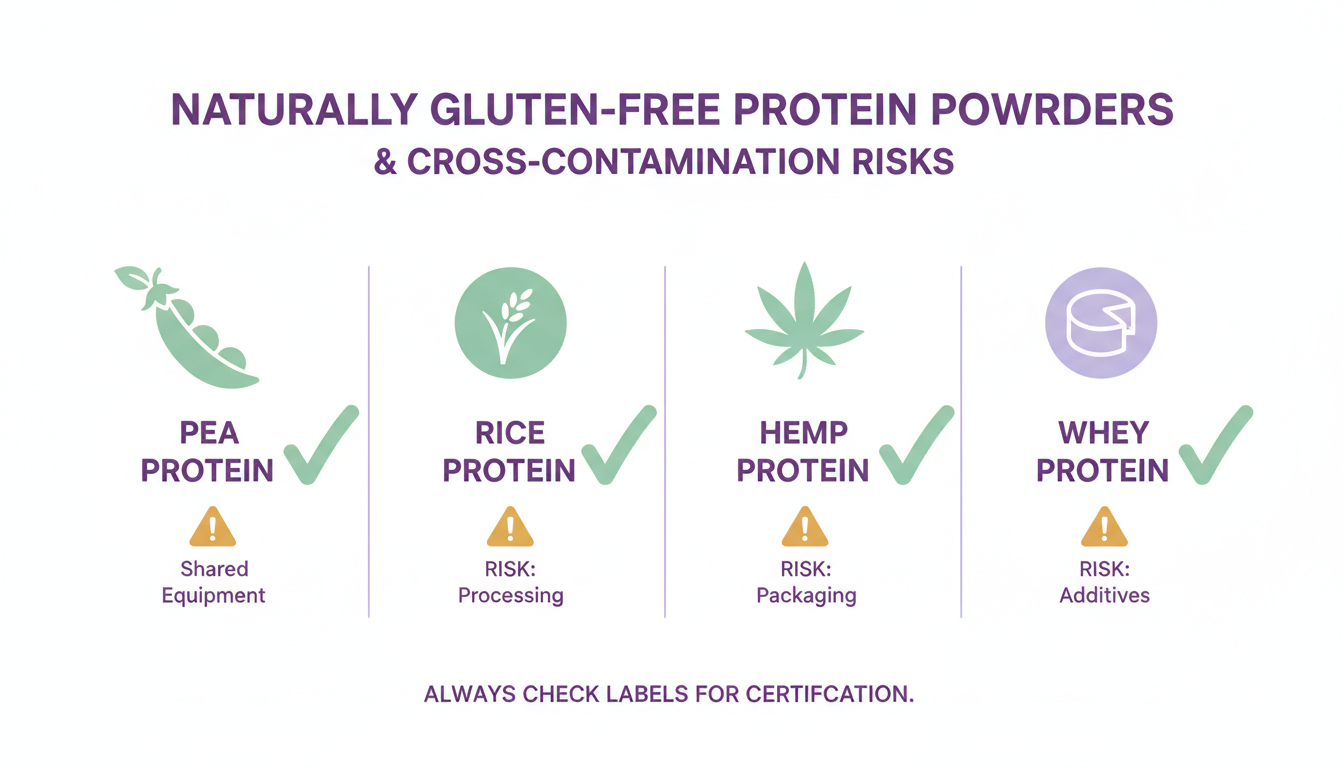
Protein itself — whether it comes from peas, rice, hemp, or whey — doesn’t naturally contain gluten. Gluten is a protein found in wheat, barley, and rye. So in theory, most protein powders should be fine.
The problem is everything else. Flavourings, thickeners, and additives can introduce gluten. And even if the ingredients are clean, cross-contamination during manufacturing is a real issue. Plenty of protein powders are produced in facilities that also process wheat-based products, which means trace amounts can end up in the final product.
Most protein powders are gluten-free at source — the real risk is cross-contamination during manufacturing. Plenty of protein powders are produced in facilities that also process wheat-based products, and for anyone with coeliac disease, that’s not a small detail.
For anyone with coeliac disease, that’s not a small detail — it matters.
The Cross-Contamination Problem with Whey
Whey protein comes from milk, so the protein itself is naturally gluten free. But here’s where it gets tricky.
Whey is a byproduct of cheese production, and many dairy processing facilities also handle grain-based ingredients. The powder then gets flavoured and blended in facilities that may process wheat, barley, or oat-based products too.
Some whey brands do test for gluten and certify their products accordingly. But unless you see a specific gluten free certification on the label — not just the words “gluten free” but an actual third-party certification — you’re taking a chance.
If you’ve been reacting to your whey protein and couldn’t work out why, this might be the reason.
Types of Gluten Free Protein Powder
Certain protein sources are inherently free from gluten, which makes them a much safer starting point:
Pea Protein
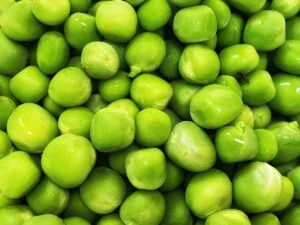
Made from yellow split peas. Naturally gluten free, dairy free, and soy free. It’s also one of the most digestible plant proteins available, with a strong amino acid profile (particularly high in leucine, which supports muscle recovery). Pea protein isolate is the base of most quality plant-based protein powders and for good reason.
Rice Protein
Hypoallergenic and easy on the stomach. On its own it’s not a complete protein, but paired with pea protein it covers all the essential amino acids. A common and effective combination.
Hemp Protein
Comes with the added bonus of omega-3 fatty acids and fibre. Slightly grittier texture than pea or rice, but nutritionally it’s brilliant.
Soy Protein
A complete protein source, though some people prefer to avoid it for hormonal reasons or because of soy sensitivities. Worth considering if neither of those apply to you.
The common thread? None of these come from grains, so the gluten risk at source is essentially zero. The only thing to check is what happens during manufacturing.
What to Actually Check on the Label
A few things to look for when you’re choosing a gluten free protein powder:
Look for “Gluten Free” on the Packaging
Ideally backed by a certification like Coeliac UK’s Crossed Grain symbol or a third-party lab test. In the UK, products labelled “gluten free” must contain less than 20 parts per million of gluten, which is the safe threshold for most people with coeliac disease.
Read the “May Contain” Warnings
This is where manufacturers declare potential cross-contamination. “May contain traces of wheat” or “produced in a facility that handles gluten” are red flags if you’re highly sensitive.
Check the Full Ingredients List
Watch for maltodextrin (sometimes derived from wheat), modified food starch, and certain flavourings that can contain hidden gluten. If the source isn’t specified, it’s worth contacting the brand directly.
Ask About Manufacturing Practices
Brands that take this seriously will be transparent about their facilities and testing. If they can’t tell you, that tells you something too.
For a broader look at what separates a good formula from an average one, our guide to choosing a vegan protein powder covers the rest of the label in detail.
Why Plant-Based Protein Is Often the Safest Bet
Here’s the thing — if you need your protein powder to be genuinely gluten free, plant-based options tend to be the most straightforward choice.
The ingredients are naturally free from gluten at source. There’s no dairy processing chain to worry about. And because plant-based proteins already cater to people with dietary restrictions, the brands making them tend to be more careful about allergen management across the board.
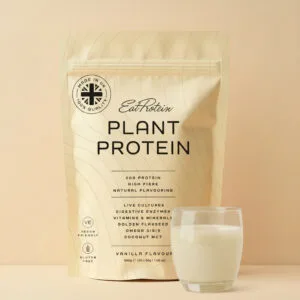
Our vegan protein is a good example. It’s built on pea protein isolate, naturally free from gluten, soy, and dairy. No artificial sweeteners, no unnecessary fillers. We also include digestive enzymes and live cultures, which is worth mentioning because gut health and gluten sensitivity often go hand in hand — if your gut lining is already under stress, the last thing you want is a protein powder that makes bloating worse.
It’s made in the UK, and we’re transparent about what goes into it and what doesn’t. Because honestly, if you’re reading ingredients lists as carefully as most gluten-free shoppers do, you deserve brands that make that easy.
Dairy Free and Gluten Free — Covered in One
Something we hear a lot: people who need to avoid gluten often need to avoid dairy too. Whether that’s because of a separate intolerance, or because gut inflammation from coeliac disease makes dairy harder to process, the overlap is really common. This is especially true for women looking for a protein powder that works around multiple sensitivities.
Plant-based protein powder solves both problems at once. No dairy, no gluten, no compromise on protein quality. A formula like pea protein isolate with added MCT oil, prebiotic fibre, and omega-3 gives you a complete nutritional profile without any of the ingredients you’re trying to avoid.
If you’ve been juggling separate “dairy free” and “gluten free” labels trying to find something that ticks both boxes, a quality plant-based protein is the simplest answer.
The Bottom Line
Not all protein powders are created equal when it comes to gluten. Whey can be fine, but it carries cross-contamination risks that are hard to verify. Plant-based proteins — particularly those built on pea protein isolate — are naturally free from gluten at source and tend to come from brands with better allergen awareness.
Finding a good gluten free protein powder doesn’t need to be complicated. Check the labels properly. Look for certifications, not just claims. And if in doubt, go plant-based. Your gut will probably thank you for it.
References
- Coeliac UK. (2024). Gluten and the Law. Coeliac UK. View source
- Food Standards Agency. (2023). Systematic review on tolerable levels of gluten for people with coeliac disease. Food Standards Agency. View source
- Cambridge University Hospitals NHS Foundation Trust. (2023). Gluten-free labelling for coeliac disease. NHS. View source
- Babault, N., Paizis, C., Deley, G., Guérin-Deremaux, L., Saniez, M. H., Lefranc-Millot, C., & Allaert, F. A. (2015). Pea proteins oral supplementation promotes muscle thickness gains during resistance training: a double-blind, randomized, placebo-controlled clinical trial vs. whey protein. Journal of the International Society of Sports Nutrition. View source
- Gluten Free Watchdog. (2022). Ten Fast Facts about Allergen Advisory Statements for Wheat & Gluten-Free Foods. Gluten Free Watchdog. View source
- Gorissen, S. H. M., & Witard, O. C. (2018). Characterising the muscle anabolic potential of dairy, meat and plant-based protein sources in older adults. Proceedings of the Nutrition Society. View source
- Nosworthy, M. G., Medina, G., Franczyk, A. J., Neufeld, J., Appah, P., Utioh, A., Frohlich, P., & House, J. D. (2021). Comparison of the protein quality of thermally processed yellow and green split peas using in vitro and in vivo methodologies. Nutrients. View source